
Several years ago, I went to move our trash receptacles out to the street as I do each week. That thankless job takes place Sunday night. Spotting a small lizard, I was cautious not to hurt it with the large plastic wheels.
Lifting one can and ready to roll it away, the lizard scurried to safety, leaving its tail behind. This tail was wiggling like a tiny snake. Thinking that I accidentally ran things over and severed his shapely body part, I felt bad, wondering if my little buddy would soon die.
Since that time, I’ve always been more careful when doing anything in that area of the yard. This morning, I observed a lizard run underneath the blue recycle bin. Gently moving it to the side, I was astonished to once again find a wagging tail but no lizard.
Feeling quite startled as I had years previously, I told my wife this strange tale, with her suggesting that I research whether lizards can live a tailless life. The answer was absolutely amazing.
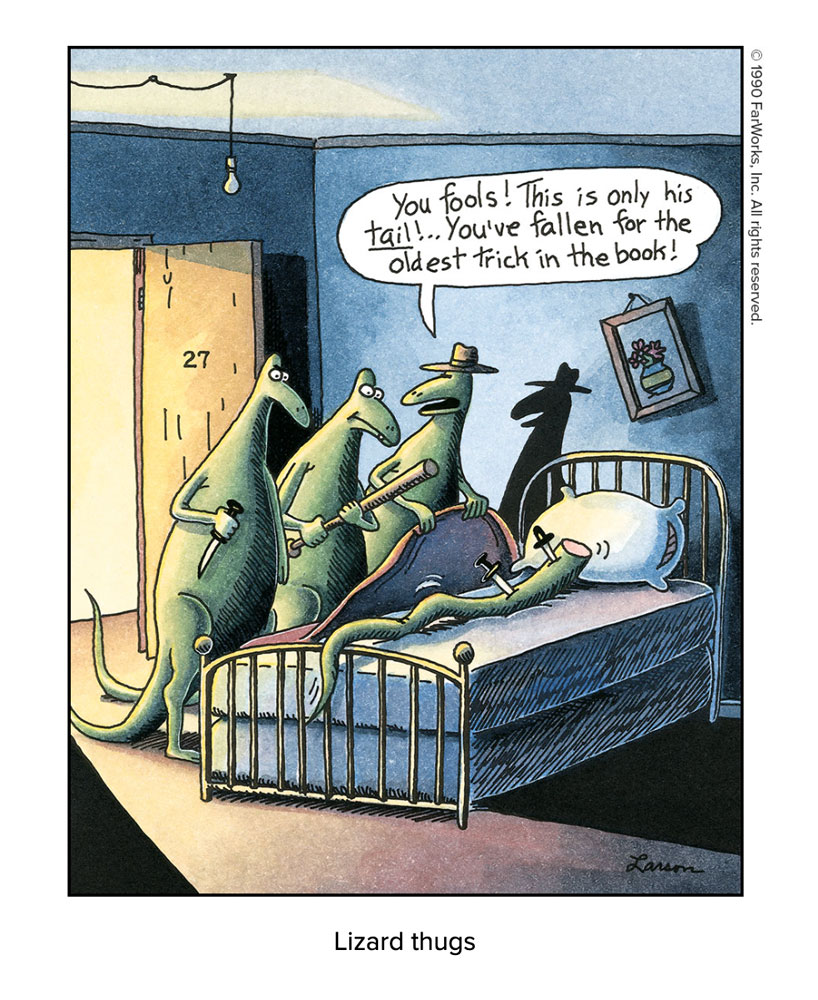
Many types of lizards have a fascinating defense mechanism: when threatened, they can lose or “drop” their tails. This process, known as autotomy, is an evolutionary adaptation that helps lizards escape predators and survive in the wild.
Lizards possess special fracture planes within the bones of their tails. When a predator grabs them or when they feel threatened, muscles contract and the tail breaks off cleanly along these fracture lines. The detached tail often continues to wriggle and move, distracting the predator long enough for the lizard to make its getaway.
The main reason lizards shed their tails is to escape predators. The moving tail can capture the attention of the attacker, giving the lizard time to flee. Losing a tail is a last-resort tactic. While it can save the lizard’s life, it comes at a cost, as the tail stores fat and nutrients important for the lizard’s health.
After losing its tail, a lizard is not permanently harmed, but it does experience some disadvantages. The lizard may move more slowly and lose an important fat reserve. Over time, many lizard species can regrow their tails, although the new tail is often different in color, texture, or structure from the original.
Tail loss in lizards is a remarkable survival strategy. This natural adaptation allows them to escape dangerous situations, although it comes with certain risks and costs. The ability to regrow the tail helps lizards recover, demonstrating the resilience and ingenuity of these unique reptiles.
I’ll keep my eyes peeled for my tailless friend, hoping that he’s able to survive. Had it been a snake hiding behind those cans, like the large rattler ready to strike me not that long ago, things would be different.
This large Diamondback came at me, prepared to sink its fangs into soft flesh, yet thankfully, it missed. Running to the garage, I returned with a dull tile scraper and a load of adrenaline, not only severing the snake’s tail, but his ugly head as well. Our neighbor kept the 13 rattles as a souvenir, which was fine with me.
Unlike the lizard, I know for a fact this venomous snake didn’t live another day without its missing body parts. Despite this knowledge, there hasn’t been a time since when I didn’t take a closer look before moving the cans. Should I spot another rattler, I’ll quickly move my own tail out of harm’s way!

 I like to write junk...