Something that I noticed several years ago was that my relatives and my wife’s kin who resided in rural areas, wisely made plans once they reached retirement age, on moving closer to towns and cities with medical facilities. Those who did seem to have benefited from such.
Joleen’s aunts and uncles in Kansas are a prime example. I’m sure Lee and Joan Mills would’ve rather stayed on their Chapman farm, yet common sense dictated that they finally give up the serenity for closer access to the Abilene Hospital. This seemed to pay off for them as they both lived long, fruitful lives. Lee was 96 and Joan 94.
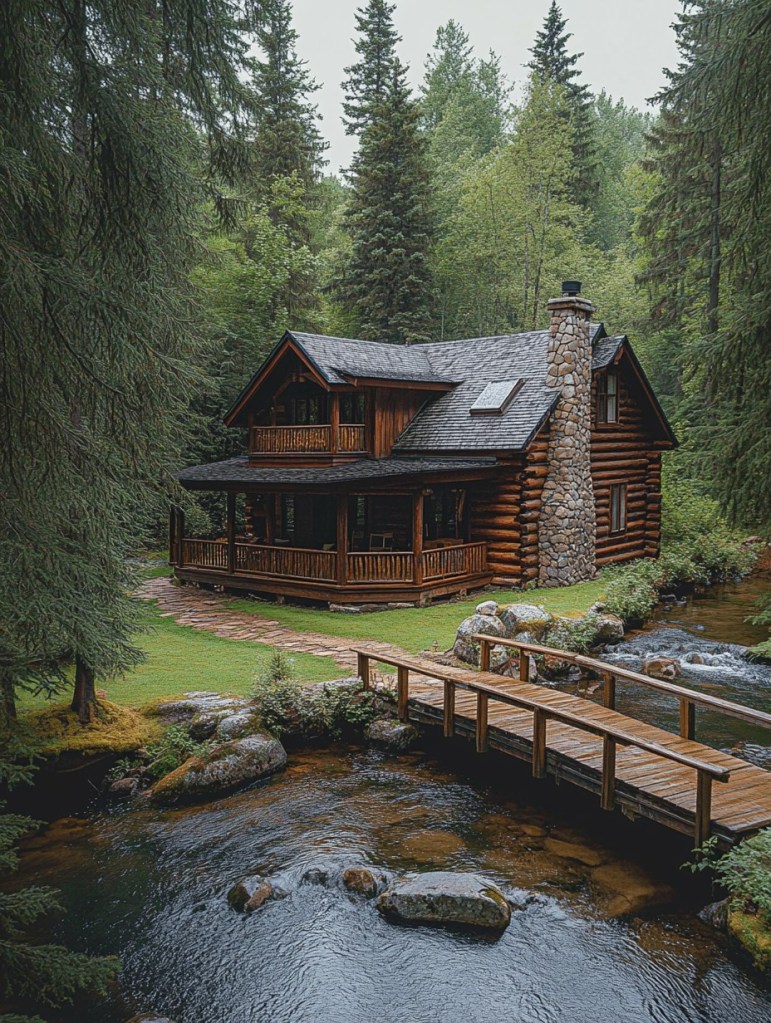
I decided to research the statistics of remaining in the country versus moving to a town or city. What I found made me glad that we haven’t picked up stakes and relocated to an oasis floating around in my head. For me, that dream is a small log cabin in the rugged White Mountains, sitting beside a stream in Greer, Arizona.
Studies show that access to timely medical care is crucial for the health and survival of older adults. One significant factor that can influence outcomes in emergency situations and chronic disease management is the distance an individual lives from a hospital.
For older adults, rapid access to healthcare can be the difference between life and death, especially in cases of heart attack, stroke, or other acute medical emergencies. Proximity to a hospital not only ensures faster emergency response but also facilitates better management of chronic illnesses through regular checkups and access to specialized care.
Several studies have examined the relationship between hospital proximity and mortality rates among older populations. While exact statistics vary by region and healthcare system, the general findings are consistent:
- Older adults living within 5 miles of a hospital have improved survival rates following acute medical events. For example, studies suggest that the one-year survival rate after a heart attack is up to 15% higher for individuals living close to a hospital compared to those residing more than 20 miles away.
- Emergency response times are significantly shorter for people living near hospitals, which is associated with better outcomes in time-sensitive conditions such as stroke. The likelihood of receiving life-saving treatments within the critical window is much greater for those closer to medical facilities.
- Chronic disease management is more effective for older adults living near hospitals, leading to lower overall mortality rates. Regular access to healthcare providers helps in early detection, routine monitoring, and adherence to treatment plans.
- Rural versus urban differences: Older adults in rural areas, who often live farther from hospitals, experience higher mortality rates for many conditions compared to their urban counterparts. The disparity is most pronounced for emergencies requiring immediate care.
While living close to a hospital generally improves survival odds, other factors also play important roles, such as:
- Quality and capacity of the hospital
- Availability of transportation
- Socioeconomic status and insurance coverage
- Presence of support networks (family, caregivers)
In conclusion, older adults residing near hospitals have statistically higher survival rates, especially for acute medical emergencies and chronic disease management. The closer proximity allows for faster access to life-saving interventions and ongoing healthcare, which directly contributes to better outcomes and longevity.
These findings highlight the importance of improving healthcare accessibility for elderly populations, particularly in rural and underserved areas, to reduce disparities in survival rates. I’m very thankful that Havasu Regional Medical Center (HRMC) is only 4.3 miles away from where we live.
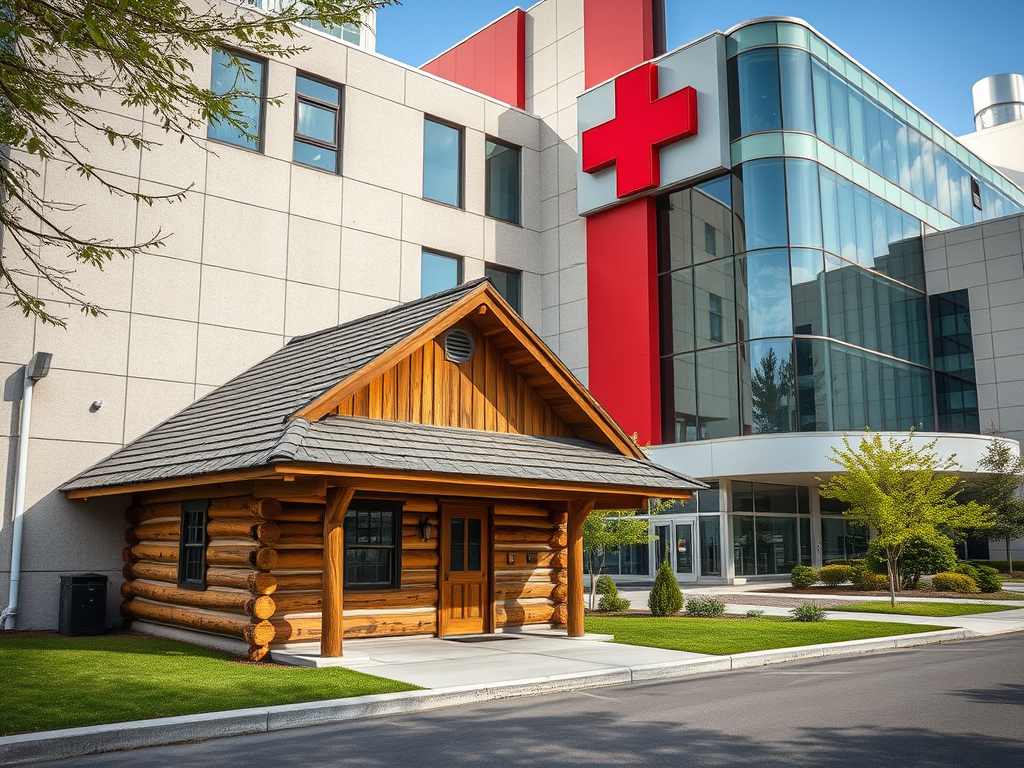
Having been to the emergency room several times, had I lived in remote Greer and incurred the same medical problems, I wouldn’t be writing this column. Although there’s no stream or trees outside our front window like there would be in the White Mountains, I can still toss a couple of logs in the never-used fireplace, and jokingly refer to our house in Havasu as a cabin in the city!

 I like to write junk...