
With the world in a tizzy, especially in the Middle East, it got me to wondering where the term or phrase, “All is fair in love and war” came from. According to Democrat leftist doves as they were called during the Vietnam War, a war mongering Republican would be the culprit. I found that not to be true and merely political rhetoric.
The phrase “all is fair in love and war” is believed to have originated from the English author John Lyly’s novel “Euphues: The Anatomy of Wit,” published in 1578. This expression suggests that in matters of love and war, people are not bound by the usual rules of conduct or fairness.
It implies that any action, however unconventional or morally questionable, is justified if it helps achieve one’s goals in these two realms. Mainstream media would have President Donald Trump using these tactics regarding Iran, although that isn’t totally the case. It’s more like Iran using such against us and Israel by launching deadly missiles from populated neighborhoods.
In common usage, the term is often quoted to excuse behavior that might otherwise be considered inappropriate or underhanded, emphasizing the intense emotions and high stakes involved in both love and conflict.
Author, John Lyly is best known for his innovative literary style rather than for his political or philosophical views. There is limited evidence regarding Lyly’s personal ideology, and he is primarily recognized for shaping English prose and drama during the Elizabethan era. He was also a very witty character.
While his works reflect the culture and values of his time, it would be inaccurate to label him strictly as a liberal or conservative by modern standards, since those terms did not exist in the same context during the late 16th century.
When I think of “all is fair in love,” I think back to my workdays when a fellow basically stole his best friend’s wife. I didn’t see the act as fair, and neither did anyone else, including both married couple’s children. Sadly, this happens all the time in Hollywood and is oftentimes condoned by the liberal secular crowd.
What I’ve observed with love more than anything is how stupid it can make a person. In the case of these two cheaters, they thought they were in love and had found their perfect soulmates. They stayed together for two years before going separate directions. By then, two families had been wrecked beyond repair. Their impromptu love relationship turned out to be a lust relationship.
John Lyly must not have been talking about fairness in love in this same sense because he stayed with his wife regardless of his literary success. Perhaps John’s wit and humor is what held them together through thick and thin.
Early on, he had a distinct advantage over other suitors when courting because of this. That’s my humble opinion. How a cheerful woman or a man connects with a humorless and dour partner is a question seemingly answered by the term, “opposites attract.”
The phrase “opposites attract” is commonly used to describe the idea that people with different personalities or characteristics are drawn to each other, especially in romantic relationships.
Socialist and accomplished writer, Robert Francis Winch, is credited with the concept beginning in the early 1950s. It is rooted in the theory that complementary differences can create balance and intrigue in partnerships, and it was further popularized by songs, movies, and literature.
There’s no definite proof that opposites attract and that all’s fair in love and war. From my viewpoint, these are just opinions that two writers composed, and after people read their analogy, they began to repeat things as the truth.
In today’s electronic world it’s called going viral. Repeating bogus information is not much different than what viewers of CNN and MSNBC do these days. I guess the same could be said for viewers of FOX.
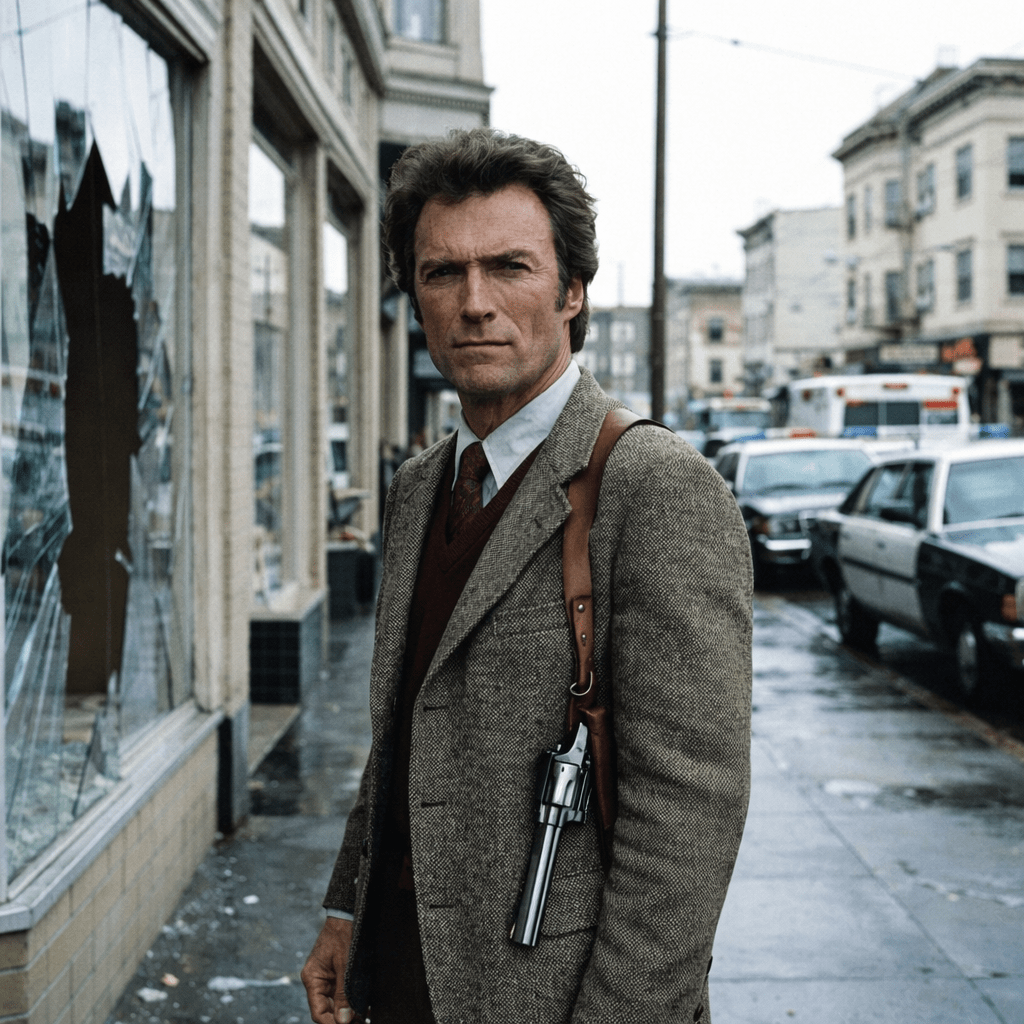
Detective Harry Callahan (Clint Eastwood) had a saying regarding unsubstantiated statements. “Opinions are like assholes. Everyone has one!”
I tend to believe fictitious Detective Callahan’s take on things over those of John Lyly and Robert Winch. Harry has what’s called, street smarts, a subject unfortunately not taught in today’s colleges.

 I like to write junk...