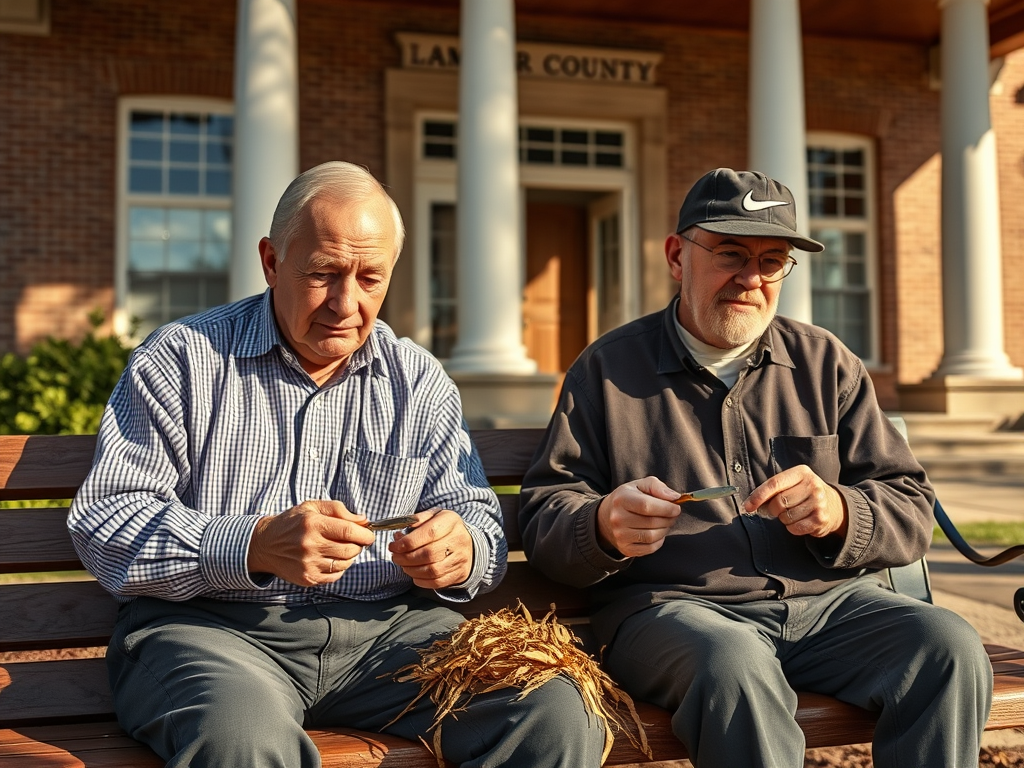
I remember my father talking about a couple of guys he grew up with, after they retired, sitting on a bench in front of the Lamar County, Alabama, Courthouse, each day, whittling. He saw it as a waste of time and said they probably didn’t live very long.
Dad believed that doing most anything not connected with making money was wasteful. He worked up until his 80s, and I suppose to him work was enjoyable. I know that there are several people here in Havasu who feel the same way because I’ve met them. A few of these seniors have to work because retirement funds aren’t keeping pace with inflation.
For those unfamiliar with the word “whittling”, it’s the art of carving shapes or objects from a piece of wood using a knife. Often considered both a relaxing hobby and a traditional craft, whittling can range from simple projects like making small figurines or utensils to more intricate designs.
All it typically requires is a sharp pocketknife and a suitable piece of soft wood, making it an accessible pastime for people of all ages. Many find whittling a meditative activity, allowing for creativity and focus while producing unique, handmade items.
As a child, I enjoyed whittling, though I used soapstone or other soft rocks instead of wood. I took my pocketknife to school in the 4th grade, and would sit during recess and lunch, making what I called, stone flutes. This might’ve been stretching things a bit.
I taught several of my classmates how to do this until Mrs. Hagan shut down our flute-making operation. Years ago, I wrote a story on this called “Contorted Recess.” I consider it one of my best compositions.
I don’t entirely agree with my father’s view that non-financial entities are a waste of time. Fishing is a good example. Some retirees spend hours at lakes and rivers trying to reel in those flopping and slimy creatures. These days, I don’t enjoy fishing as much as I do eating them, especially halibut.
Golf is not a money-making proposition to me, although Dad said that more financial deals are made on a golf course than in boardrooms. I know that this hobby is expensive, and for those fellows playing merely for entertainment, most likely, money doesn’t matter to them, although their wives might say differently.
Flying is an expensive hobby, as are boating, motorcycles, and racing. Bicycling once helped me relax, yet I don’t find it as relaxing now, worrying about what’ll happen if and when I fall. Walking just about completely takes its place.
In Alaska, we had neighbors who built wooden objects and painted them in their garage, then sold them at places like craft shows and art fairs. The Andersons made good money at it, and the whole family took part. They seemed to look at it as a profitable hobby.
I now have to wonder if Dad’s old classmates didn’t sell their whittled creations to locals. That was something else that my father always said, “Women will buy anything, especially dust collectors.”
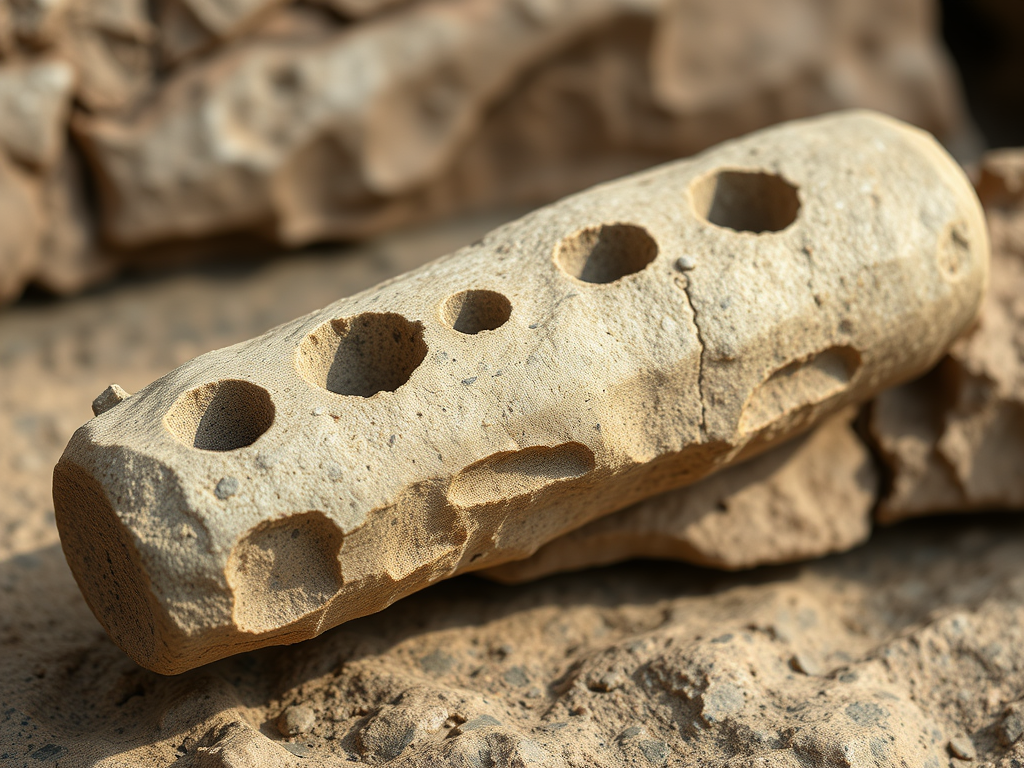
I’ve thought about taking up stone whittling again, or carving, as it’s mostly known around these parts. The American Indians supposedly made stone flutes, and they’re quite rare to find, although imitations are available in gift shops. Those are generally made by Chinese Natives.
My flutes were more like whistles, maybe six inches long, with one long hole drilled through the complete stone, and several others interjecting. It took some practice to have the ends meet.
I’m sure there are better tools out there to drill stone than a pocket knife. A Makita cordless drill and carbide bits will make things much quicker than going it by hand. I may be able to mass-produce these things while sitting at our living room coffee table.
What will I do with them afterwards, you ask? Some folks paint up small rocks nice and pretty, placing them in specific areas around town. I spot these creations on occasion. This artwork, plus sharing it, undoubtedly gives those artists some stress relief.
I’d be more apt to toss my hollowed-out stone flutes during desert forays, in places where they might not be discovered for years. Some desert explorer would eventually discover one and take it to a professional for inspection.
“Is this Apache or Navajo?” they’d curiously ask. Looking at the object for a few seconds, the archaeologist would quickly say, “No, it’s a crudely made stone flute most likely created by a former local Havasu resident named Michael Hankins. Judging by how many we’ve seen, the guy must’ve had ample time to waste!”

 I like to write junk...