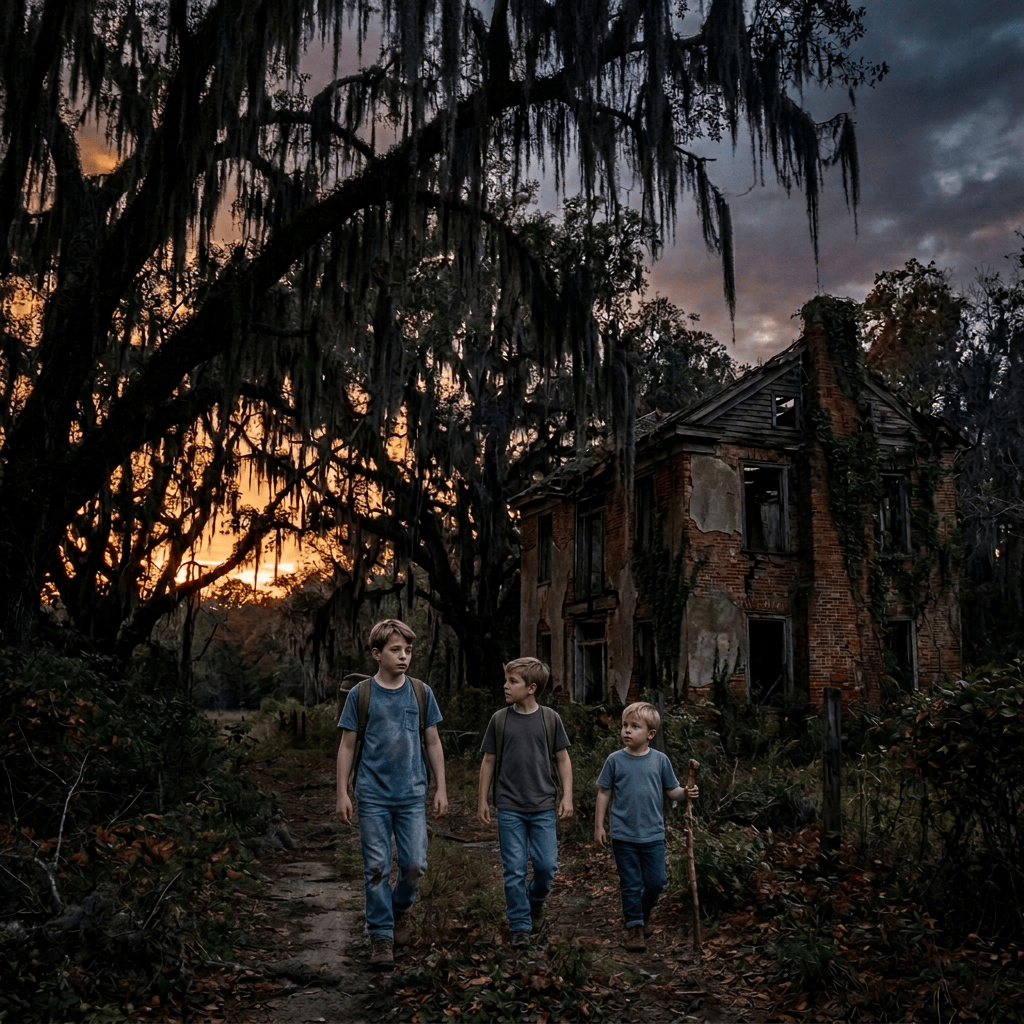
Sometime around 1960, my family and some friends drove to Cahaba, Alabama; this was the state’s first capital, not far from Selma.
It was late in the afternoon, and at this time, Old Cahaba was not a state park, open to poking around anywhere you wanted, only having to fear snakes and not park rangers. Dad and Mom told us boys to watch for vipers, but she didn’t really have to.
The oak trees were huge, with Spanish moss hanging from them like something out of a horror movie. We covered a lot of ground quickly, examining ruins and watching out not only for snakes but also for boards with nails.
It wasn’t the safest place to be walking around back then, yet the way I like things now, as I’m not partial to manicured pathways and roped-off areas, although they need to be for some people.
Cahaba, Alabama, became Alabama’s first state capital in 1819, shortly after Alabama achieved statehood. Located at the confluence of the Cahaba River and the Alabama River, it was chosen for its strategic location and access to transportation routes.
In its early years, Cahaba was a bustling town whose population grew as it became the region’s political and economic center. The town saw significant development, with many public buildings, homes, and businesses. At its peak in the 1830s and 1840s, Cahaba thrived, and its river access and fertile land helped it grow as a trading hub.
However, Cahaba’s prominence was short-lived. The arrival of the railroad in the 1850s diverted trade routes and reduced the town’s economic importance. In 1846, the capital was moved to Montgomery, which further contributed to Cahaba’s decline.
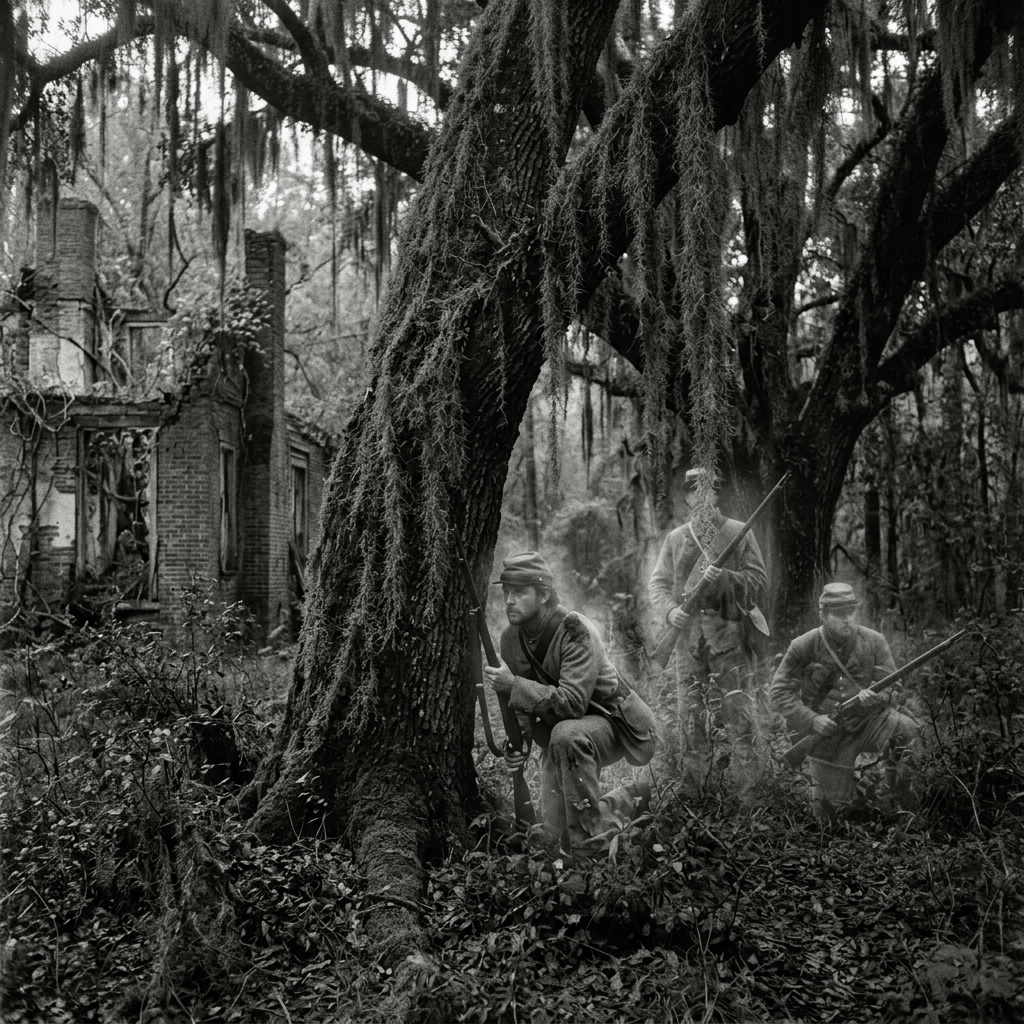
The town eventually became largely abandoned, and by the late 19th century, many of its buildings were in ruins. Cahaba was also historically significant during the Civil War. It was used as a base for Confederate troops and saw military activity during the conflict. It’s now a ghost town.
I had visions of finding an old gun lying in the woods or perhaps some old coins, ancient treasures only a boy with an imaginary mind would conjure up. We guys spent as much time as possible poking around in the bushes with those spooky oak trees all around, not finding anything, or at least nothing of value that my brother and I recall.
Hearing yells that it was time to go, we loaded back into the car, undoubtedly a bit sweaty in the Alabama humidity. On our drive home, we discovered we’d found something after all, as we’d picked up “The Cahaba Itch” from either poison oak or poison ivy and had it bad. Undoubtedly, Mom brought out the Calamine Lotion, a potion that worked for a short time before itching resumed.
Besides those old oak trees loaded with creepy moss, that’s how I best remember that one trip to Old Cahaba, with us going back a few more times but smart enough at this point to stay outta the woods.
I always dreamed of heading there with a metal detector, but right now I’d be arrested by a park ranger. I’m smart enough to watch out for snakes, poisonous bushes, and most of all, those folks wearing badges. That wisdom is being put to good use here in Lake Havasu City, Arizona.
Scorpion weed is just as bad as the poisonous weeds we dealt with as kids in Alabama, or even worse. I didn’t learn about it until I walked through a patch of pretty purple flowers in my low-cut socks and sandals. My skin, after coming into contact with it, immediately started blistering. Calamine lotion came in handy once again!


I really enjoy reading about your past. Since I waited years to meet you and Jolene this is a great way to learn more about yourself.
LikeLike