CABIN in the CITY

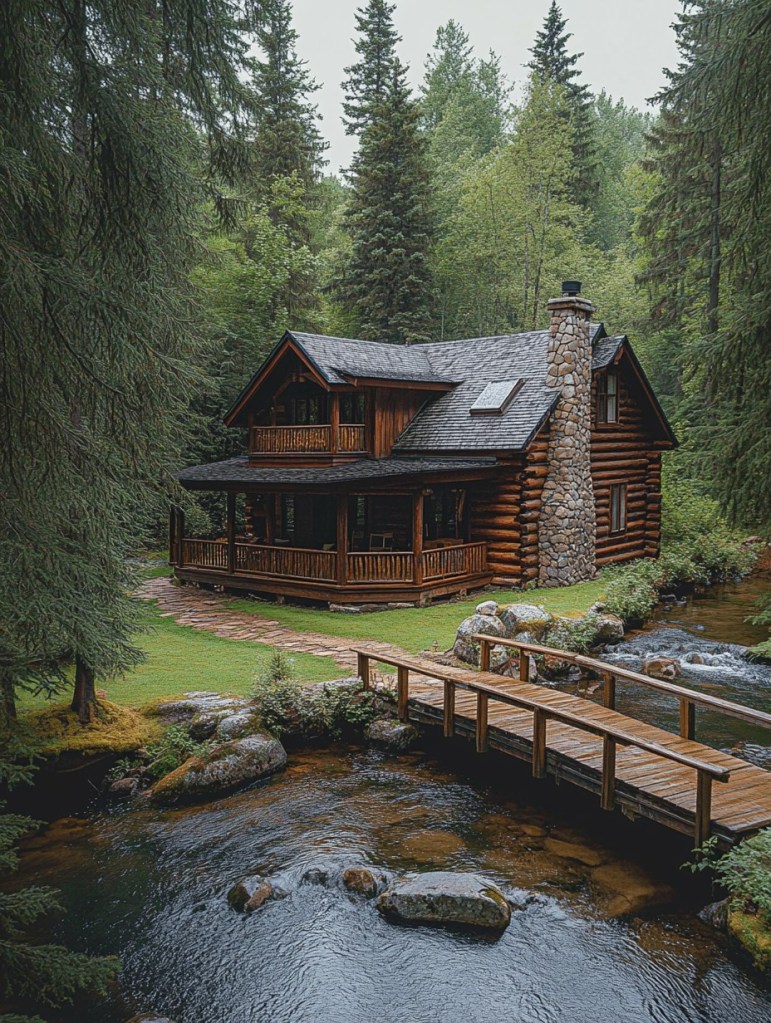
“For me, that dream is a small cabin sitting beside a stream in Greer, Arizona.”

Something that I noticed several years ago was that my relatives and my wife’s kin who resided in rural areas, wisely made plans once they reached retirement age, on moving closer to towns and cities with medical facilities. Those who did seem to have benefited from such.

Joleen’s aunts and uncles in Kansas are a prime example. I’m sure Lee and Joan Mills would’ve rather stayed on their Chapman farm, yet common sense dictated that they finally give up the serenity for closer access to the Abilene Hospital. This seemed to pay off for them as they both lived long, fruitful lives. Lee was 96 and Joan 94.

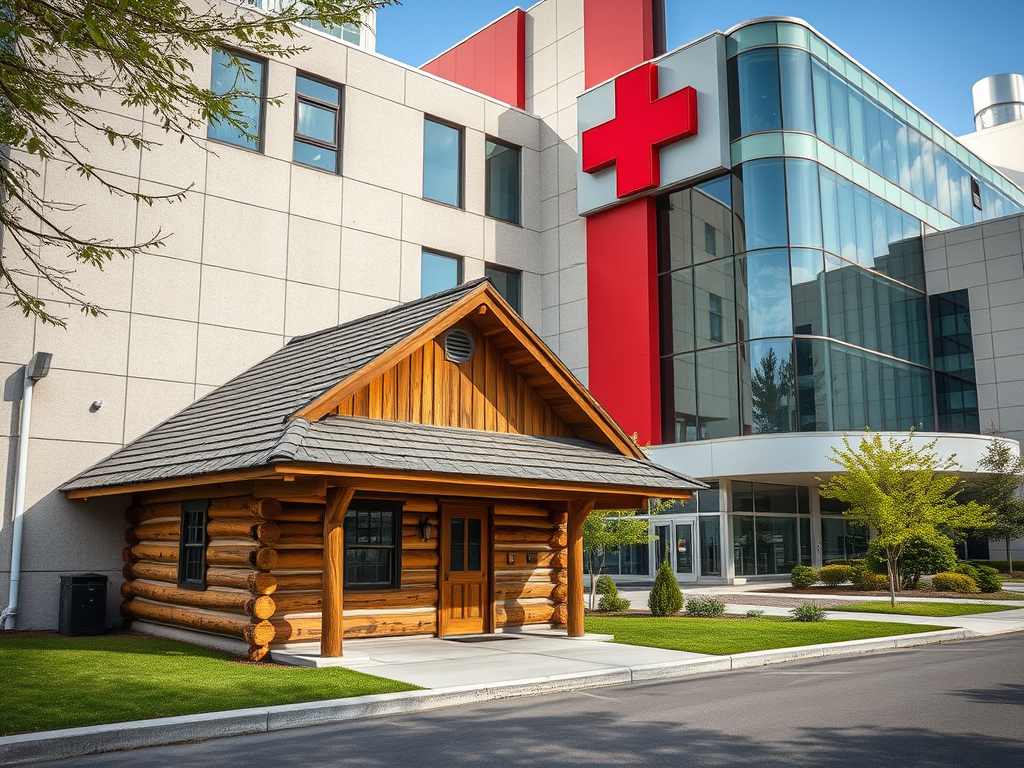
I decided to research the statistics of remaining in the country versus moving to a town or city. What I found made me glad that we haven’t picked up stakes and relocated to an oasis floating around in my head. For me, that dream is a small log cabin in the rugged White Mountains, sitting beside a stream in Greer, Arizona.

Studies show that access to timely medical care is crucial for the health and survival of older adults. One significant factor that can influence outcomes in emergency situations and chronic disease management is the distance an individual lives from a hospital.

For older adults, rapid access to healthcare can be the difference between life and death, especially in cases of heart attack, stroke, or other acute medical emergencies. Proximity to a hospital not only ensures faster emergency response but also facilitates better management of chronic illnesses through regular checkups and access to specialized care.

Several studies have examined the relationship between hospital proximity and mortality rates among older populations. While exact statistics vary by region and healthcare system, the general findings are consistent:

  • Older adults living within 5 miles of a hospital have improved survival rates following acute medical events. For example, studies suggest that the one-year survival rate after a heart attack is up to 15% higher for individuals living close to a hospital compared to those residing more than 20 miles away.
  • Emergency response times are significantly shorter for people living near hospitals, which is associated with better outcomes in time-sensitive conditions such as stroke. The likelihood of receiving life-saving treatments within the critical window is much greater for those closer to medical facilities.
  • Chronic disease management is more effective for older adults living near hospitals, leading to lower overall mortality rates. Regular access to healthcare providers helps in early detection, routine monitoring, and adherence to treatment plans.
  • Rural versus urban differences: Older adults in rural areas, who often live farther from hospitals, experience higher mortality rates for many conditions compared to their urban counterparts. The disparity is most pronounced for emergencies requiring immediate care.

While living close to a hospital generally improves survival odds, other factors also play important roles, such as:

  • Quality and capacity of the hospital
  • Availability of transportation
  • Socioeconomic status and insurance coverage
  • Presence of support networks (family, caregivers)

In conclusion, older adults residing near hospitals have statistically higher survival rates, especially for acute medical emergencies and chronic disease management. The closer proximity allows for faster access to life-saving interventions and ongoing healthcare, which directly contributes to better outcomes and longevity.

These findings highlight the importance of improving healthcare accessibility for elderly populations, particularly in rural and underserved areas, to reduce disparities in survival rates. I’m very thankful that Havasu Regional Medical Center (HRMC) is only 4.3 miles away from where we live.

Having been to the emergency room several times, had I lived in remote Greer and incurred the same medical problems, I wouldn’t be writing this column. Although there’s no stream or trees outside our front window like there would be in the White Mountains, I can still toss a couple of logs in the never-used fireplace, and jokingly refer to our house in Havasu as a cabin in the city!

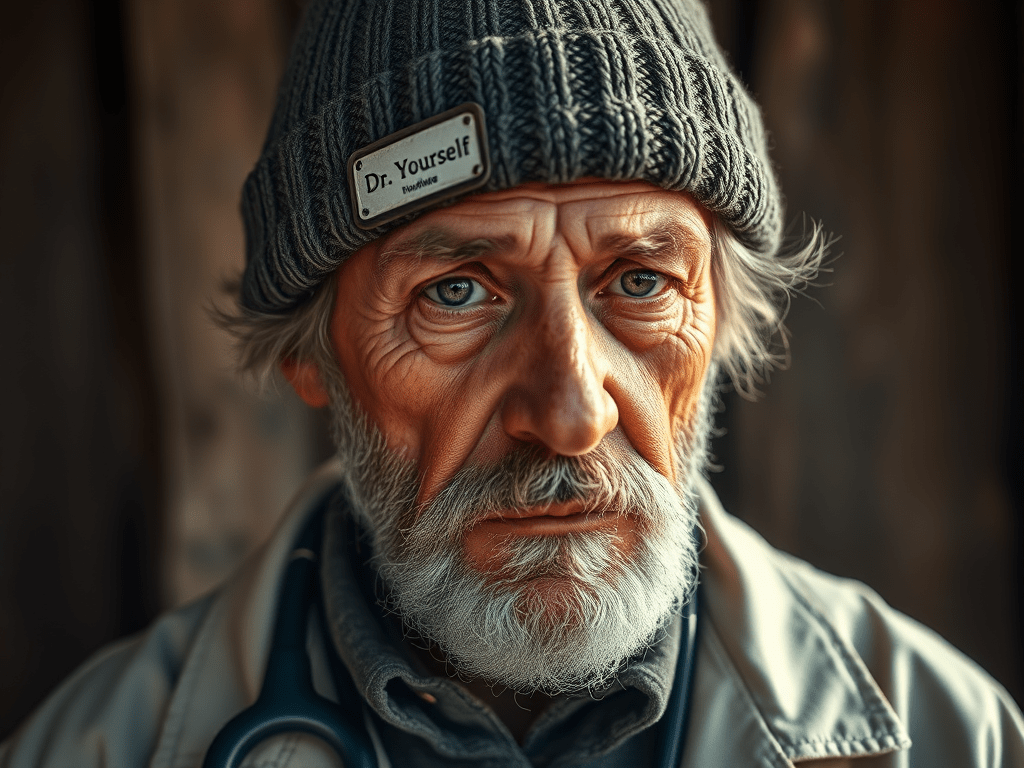
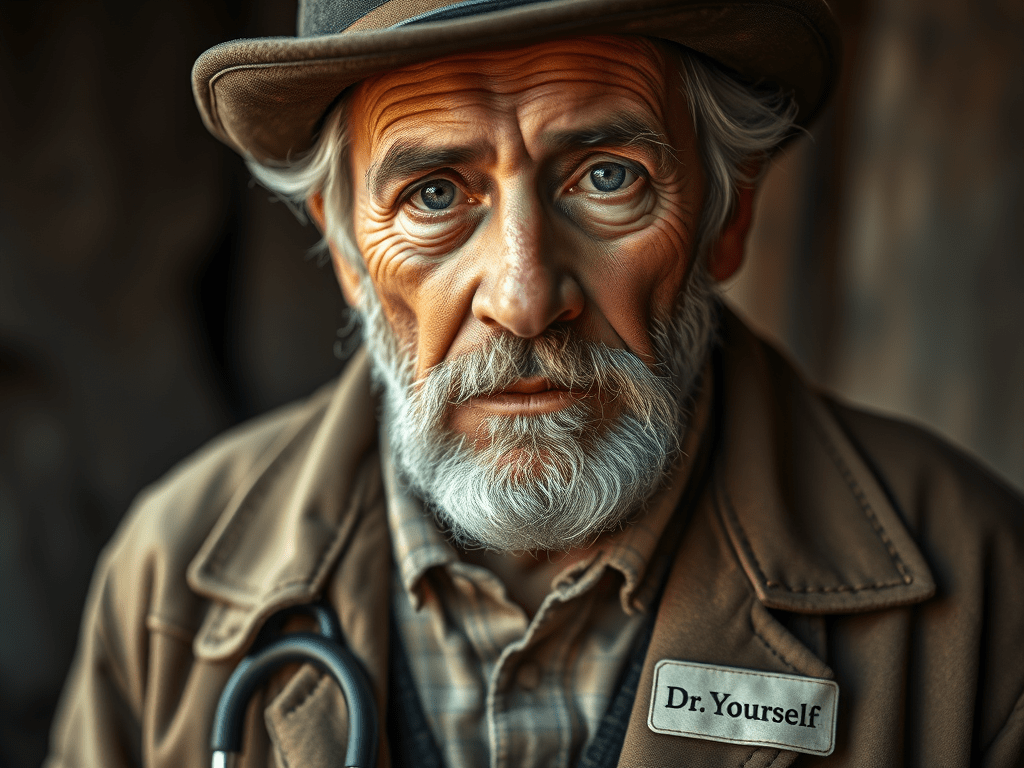
DR. YOURSELF

“I doubt Jeff has set any more bones, but he has successfully cleansed numerous wounds and bandaged them up, even stitching a couple with thread.”

Fifty years ago, or perhaps longer, a good friend of mine broke his arm. Not having any medical insurance at this time, Jeff made a cast out of plaster of Paris.

Several weeks later, bumping into a physician at his church, the medical doctor asked my pal which doctor he had seen. Telling him, “Doctor Yourself,” it took only a few seconds for the wise man to figure things out. They both got a good laugh out of it.

With Jeff telling him the whole story, this doctor asked Jeff to come by his office, and he’d take a look at things. Removing the makeshift cast, an X-ray was taken, which showed that the bone was healing quite nicely.

“You did a good job for an intern!” this medical professional told my friend. “Next time, though, go to the emergency room. Had that bone not already been in place, it would’ve needed to be broken and reset. You don’t want to go through that painful experience!”

I doubt Jeff has set any more bones, but he has successfully cleansed numerous wounds and bandaged them up, even stitching a couple with thread. I’ve done the same, and have a few scars on my head from cuts that should’ve been stitched but weren’t.

A couple of friends in Lake Havasu City and Prescott claim the title of Dr. Yourself. For the longest time, they received good medical help, but something happened along the way. I hear story after story of people not being able to get into their primary doctor for weeks when they’re ill. They’re advised to go to a walk-in clinic or the ER.

I’ve had to do this a few times, often wondering if I’d come out with something worse than the illness I walked in with. There was one occasion where a young girl was heaving her guts out in the lobby restroom.

I sat right across from the restroom door listening to such. Everyone in the waiting room, including the receptionist sitting behind a sliding glass window, could hear her moans. When this poor gal exited, I held my breath and walked out. Thankfully, a friend had a full bottle of amoxicillin at home to take care of my ailment. I knew the correct dosage from having used it many times.

Mom was a Dr. Yourself. She worked as a nurse and knew what to do when my brother and I were sick. Don’t ask me how many enemas she gave us from eating too much Wonder Bread dough. Jim and I would take the white center and roll it into little balls. That’s how it finally came out seven days later.

Mother had a stethoscope and would listen to our lungs for pneumonia, thankfully, never finding any until I was around 30. She immediately sent me to the ER that day, where her diagnosis was verified. That pneumonia was a horrible experience even for a healthy guy!

Several friends go to Mexico for their dental work and to pick up Azithromycin and penicillin pills. No prescription is needed for these. Those are the two meds I’ve been using for my bronchitis episodes, going on 50 years. A few people have told me that my body will eventually develop a resistance, and these drugs will stop working. They’ve only been saying that for 40 years.

It’s become increasingly difficult over the last few years to get prompt assistance, especially during weekends or holidays. I’ve begun to rely on my mechanic friends for their medical help. One of them I call Dr. Kildare. Only a few oldtimers will recognize that name.

When I hear someone is driving to the Mexican border near Yuma, I hand them a list of what I need picked up. Having the right medicine on hand has saved me at least three times. The last thing I want at this age is another bout of pneumonia. It could be a life-changer and not in a good way.

Sadly, if medical care keeps getting worse in this country, state, and city, there may be a convoy of Americans heading to the border, with me in that group. The risk of never returning from cartel members is worth it, in my opinion.

I hear it’s quite easy to legally cross as long as you have proper identification and a passport. I have both—just in case they’re needed!

IT’S IN THE BAG

“Headed out the door, I decided one more bag wouldn’t hurt.”

I’ll keep things short and sweet, as this subject probably isn’t one to discuss at a breakfast table, although there is much significance to it. Each year, when my annual medical physical comes up, Dr. Angelo Ong-Veloso hands me a sample collection kit.

The unusual medical name for this kit is: Immunochemical Fecal Occult Blood Test. Without going into detail, the sample needed comes from my bottom. Savvy readers should be able to figure things out at this point.

This is an important test for those of us over 50 because colorectal cancer is a major killer amongst men and women. My Grandfather Hankins died from this disease after it metastasized into his stomach. Early prevention is the key to beating things here.

The IFOB test detects blood in the stool, which indicates there could be major problems. Rather than refuse to take it as some ignorant men do, I’m a firm believer that going through with the test could be a real lifesaver.

After collecting my tiny sample, I put it into a sealed container and then slid it inside a sealed medical bag. To add a bit more safety, I placed that small puncture-proof bag into a zipper-style Glad sandwich bag. Headed out the door, I decided one more bag wouldn’t hurt.

An empty Walmart sack just happened to be sitting on my toolbox. Tossing everything inside of it, a knot was then tied just to make sure the contents couldn’t escape.

Walking into Dr. Ong-Veloso’s waiting room on Friday morning, I held my Wal-Mart bag up to the receptionist’s window. She asked with a curious tone, “Can I help you?”

“Yes,” I replied. “Dr. Ong-Veloso wanted me to bring this stool sample in.”

The surprised look in the woman’s eyes immediately caught my attention. They were as large as saucers. It took a few seconds for me to realize what she was thinking. Undoubtedly, my Walmart sack was reminiscent of ones she’d seen people use to pick up after their dogs. Realizing this, I offered a quick explanation.

“Uh, this is just an extra bag the other one is in!” That seemed to ease her concern.

Walking back to my truck, I couldn’t help but chuckle. I’m guessing she did the same. Sometimes, humor just happens and isn’t planned. Sunday morning newspaper stories often occur in the same fashion!