My mother had a saying that she often used on me when I was a child. “Michael, you’re going to nickel and dime me to the poorhouse!” What she meant was that I constantly pestered her for change for candy bars and soda pop, something that my brother and I self-weaned ourselves on as children. Nickel and dime has an entirely different meaning as well.
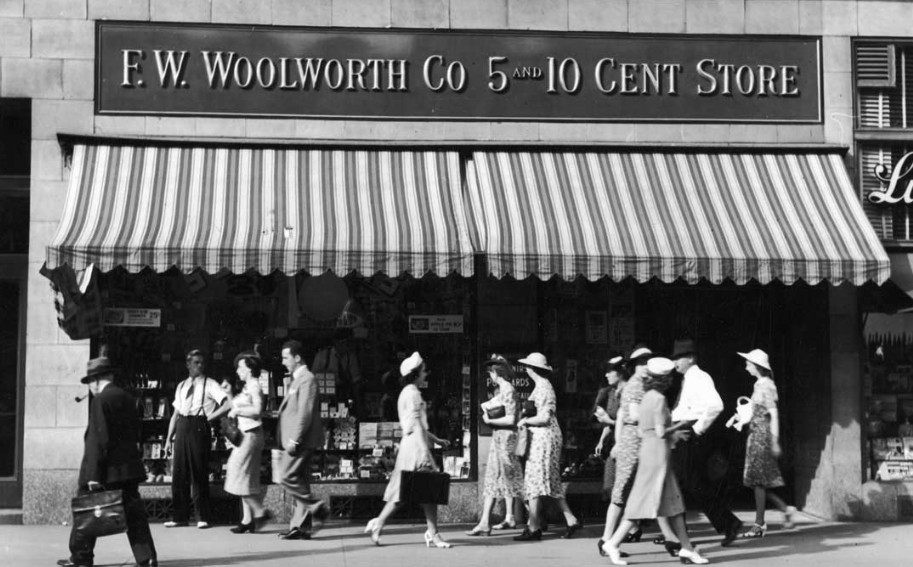
“Dime stores,” as we called them, were located in almost every decent-sized town. Woolworths had locations in Selma, Alabama, and in Lubbock, Texas. After we moved to Anchorage, Alaska, there was one on the notorious Fourth Avenue.
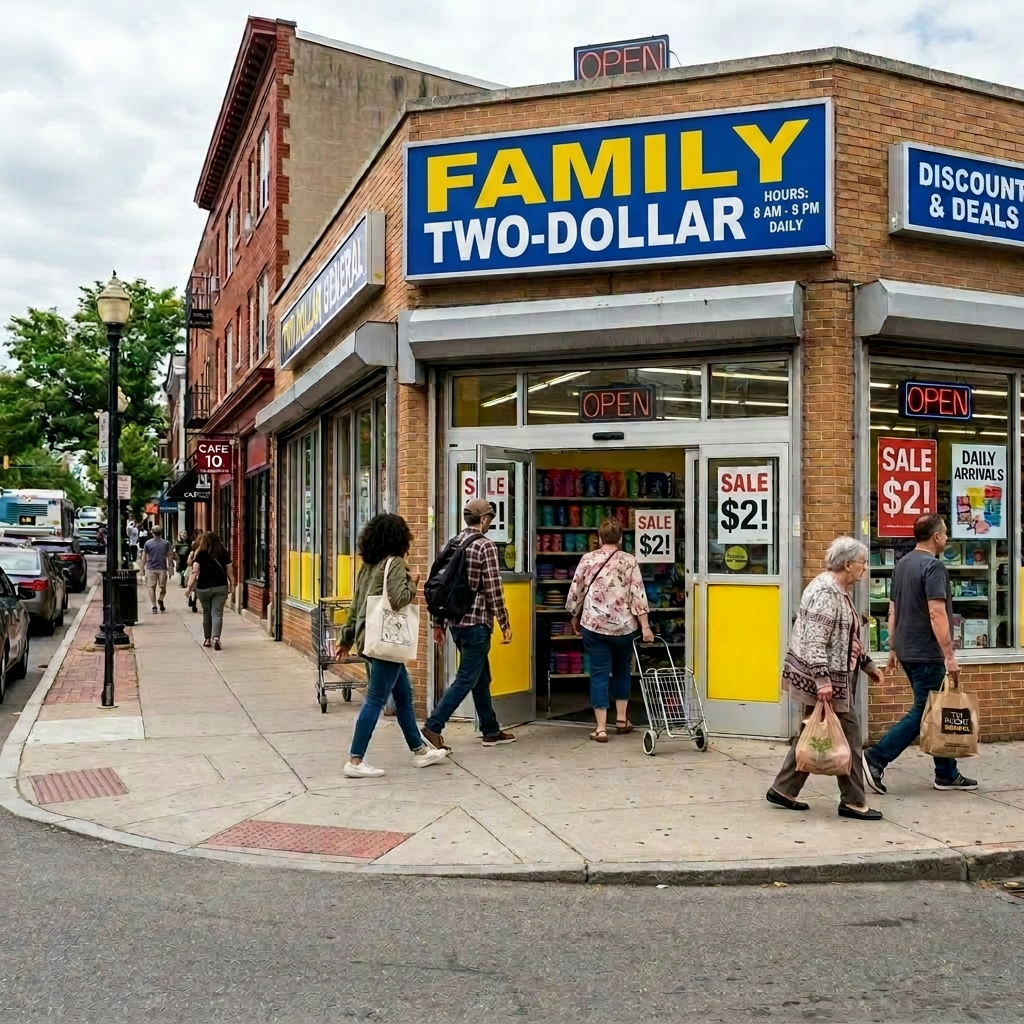
Lake Havasu City had a Yellow Front store in the London Bridge Shopping Center, which was pretty much the same. The current Family Dollar and Dollar General stores continue those early marketing principles.
Five-and-ten-cent stores—often called five-and-dimes, dime stores, or variety stores—were a major retail innovation in the late 19th and early 20th centuries. I’m sure this is where Mom got her saying.
They sold a wide range of inexpensive household goods, toys, notions, stationery, and seasonal items at fixed low prices, originally capped at 5 or 10 cents. The model became closely associated with Frank Winfield Woolworth and F.W. Woolworth Company, which helped popularize the format in the United States and abroad.
The roots of the format go back to the 1870s, when merchants began experimenting with bargain tables and fixed-price goods instead of the older practice of negotiated prices.
Frank Winfield Woolworth opened an early five-cent store in Utica, New York, in 1879, but it failed quickly; later that same year, he opened a more successful store in Lancaster, Pennsylvania, and soon expanded the price ceiling to ten cents.
One of the most important innovations of these stores was that merchandise was placed where customers could see it and often handle it themselves, rather than relying entirely on clerks to retrieve goods from behind the counter. I’m sure thieves were happy to see the change.
By the late 19th and early 20th centuries, the five-and-dime had become a powerful chain-store model. Woolworth Co. expanded rapidly through volume purchasing, standardized layouts, eye-catching displays, and cash-and-carry sales.
By 1904, it had stores across many states, and by the 1910s and 1920s, the company had become one of the best-known retailers in the English-speaking world. A 1929 commemorative publication from the Library of Congress notes that the chain had grown to more than 2,100 stores in 1,500 cities across five countries by its fiftieth anniversary.
These stores mattered because they helped change how people shopped. Instead of going to several specialty merchants, customers could buy a wide range of everyday items in one place at predictable prices. Historians often treat the five-and-dime as an early form of the modern discount and mass-merchandise store. Inexpensive toys were one of my favorite commodities.
The model also encouraged self-service browsing, attractive packaging, category-based layout, and chain-store buying power—all features that later became standard in department stores, discount stores, and eventually big-box retailers.
Five-and-dimes also had an important place in social history. Woolworth lunch counters, for example, became nationally significant during the civil rights movement—most famously with the 1960 Greensboro sit-ins at a segregated Woolworth lunch counter in North Carolina. That episode made the chain part of a much larger story about public accommodations and desegregation in the United States.
The format declined in the mid-to-late 20th century. Inflation made strict nickel-and-dime pricing impossible, suburban shopping centers and supermarkets changed consumer habits, and discount giants offered even wider selections at competitive prices.
In the United States, the original Woolworth chain eventually closed its remaining U.S. variety stores in 1997, with the company shifting toward other retail lines and later becoming associated with Foot Locker.
By then, the classic five-and-ten had mostly disappeared, though its legacy lived on in discount stores, dollar stores, and other forms of low-price mass retailing.
Inflation has made it nearly impossible for Dollar General and Family Dollar to continue selling items for a buck. Most items are now $1.25 or higher. Hey, stamps are almost a dollar a pop, and they’ll eventually reach it.
Somewhere down the road, inflation will have these dollar stores, just like the nickel-and-dime stores from the past, changing signs. Family Two-Dollar isn’t that far away.
When that happens, sending folks to the poorhouse will become more than just a statement. The answer to the popular Capitol One credit card saying, “What’s in your wallet?” will be, “Not much!”