“On many occasions, a good laxative or enema was needed by weekend.”
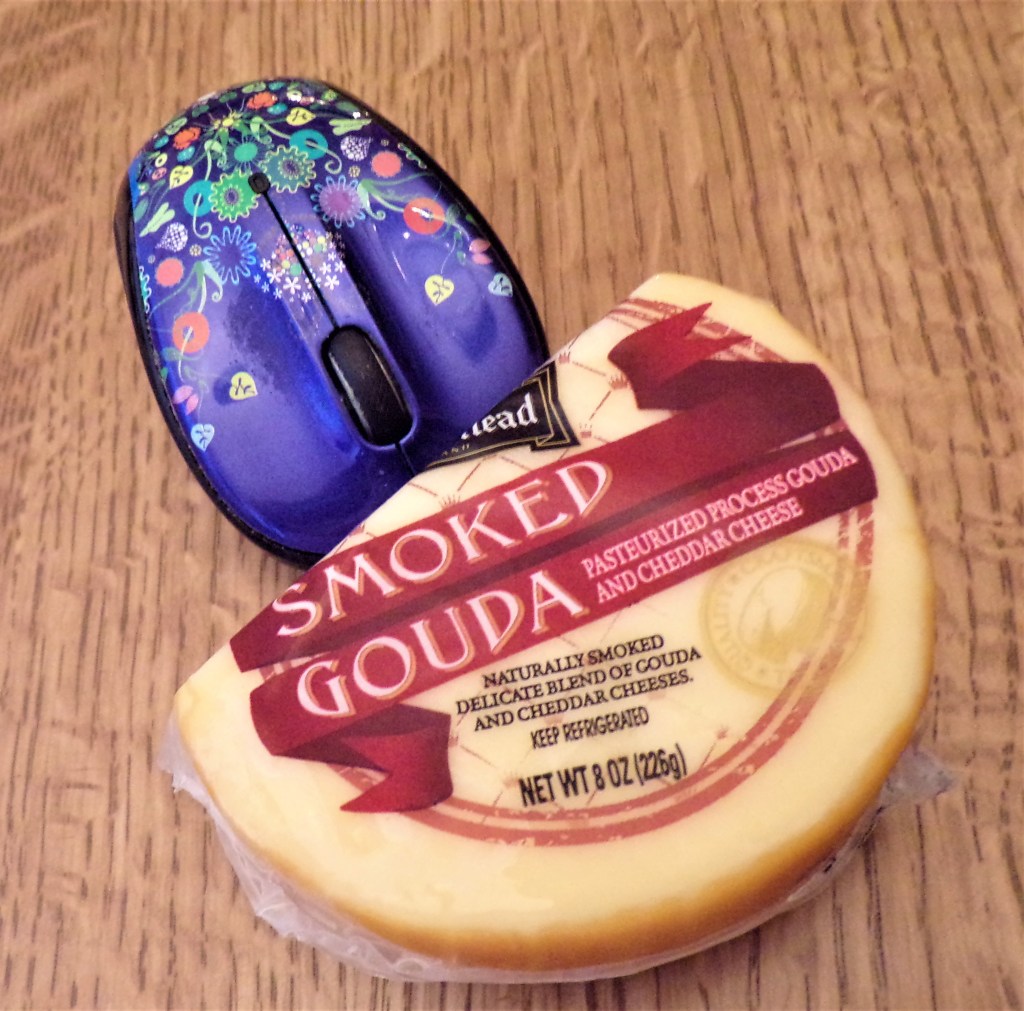
Smoked Gouda cheese
I’m a cheese connoisseur. If simply eating cheese makes a person an expert on the subject, then I proudly wear that crown. Not to brag, but I know my way around grocery store cheese-coolers better than most supermarket managers.
My love of cheese goes way back to school days. Before my brother and I headed out the door, mom put slices of pasteurized American on white-bread, and then added bologna before sending us us off. Contained within a hot lunch box until noon, the golden-yellow-cheese melded to perfection with mayonnaise and processed meat. This popular cuisine had a unique aroma which I can still noseulize today.
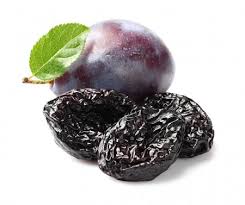
Often times for dessert, classmates rolled portions of sandwich bread into dough balls with bits of American cheese inside. It’s a delicacy that most kids of this generation haven’t sampled. On many occasions after eating this stuff, a good laxative or enema was needed by weekend. Mom usually had me eat prunes or drink prune juice to ease the pain.
As I grew older, I began to appreciate the more exotic blends of cheese. Dad insisted that we always have Parmesan in the refrigerator for spaghetti. A can didn’t last long in our house. My brother and I sprinkled it heavily on buttered toast. Judging by the name, Parmesan cheese most likely originated in France.
Mozzarella was mom’s number one choice in making homemade pizza. This Italian-bred cheese has a unique stickiness that binds all other toppings together, much like a glue trap. Years ago, I bit into a freshly baked Calzone finding that the mozzarella was still at molten stages. The roof of my mouth shed skin for a week. I haven’t made that mistake twice.
Velveeta. What can I say about this luscious loaf of savory cheese! There’s nothing sweet’a than a box of Velveeta, especially in Mac-n-Cheese. Melted, it works well on nachos but please don’t add any Jalapenos. The unique thing with Velveeta is that it seems to last forever. There’s evidently some secret ingredients that keep it from molding.
Pepper Jack is another favorite. This cheese hasn’t been around as long as others. Swiss is perhaps the oldest. I recall the unique holes in Swiss cheese going back to my earliest years. Some boy once told me the holes came from mice. I believed him for several years. To this day, I still don’t know how they get there and really don’t care.
My cheese of choice at the moment is smoked Gouda. I absolutely crave chunks of smoked Gouda on Cheez-It crackers. The combination makes for a double-cheese-whammy as they say in the south. When I’m on the computer writing junk, I generally have a small plate of Smoked Gouda within arm’s reach of my mouse.
The last time my wife went to Smith’s grocery store, for reasons known only to her, she came back with Low Fat Provolone. That supposedly healthy cheese isn’t on my list of favorites. I jokingly scolded her,
“You should’a got Gouda!”
I’ve been told that eating too much cheese is probably not good for a person. I don’t know if that’s truth or fiction? An advertisement I came across the other day claimed that cheese is a good source of calcium for older people. I’ll definitely agree with that.
One thing that nutritionists don’t have to tell me, is that if you eat a lotta cheese, make sure and leave room for da prunes.
“The explosion resulted in the crapper being blown to smithereens.”
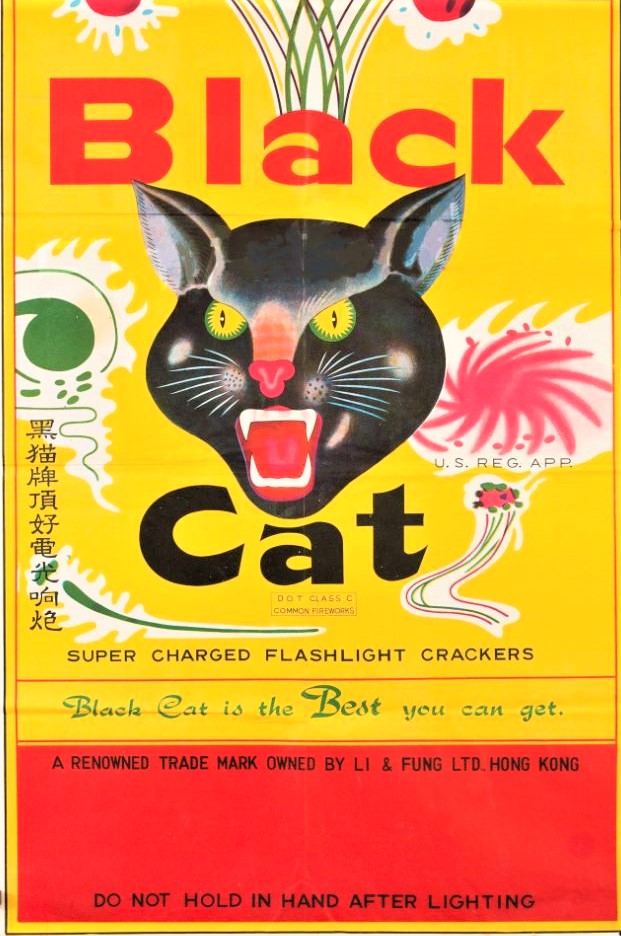
Black Cat firecracker package
As a child, I grew up in an era when there were no warnings about sticking your head into a 5-gallon bucket of water. Child seats were unheard of. Cribs weren’t ‘safety tested.’ Kids eagerly drank out of garden hoses each summer. Pocket knives were allowed in school. Some fireworks had the power as a quarter-stick of dynamite. In spite of all this, I’m still kickin’.
There’s valid reason for government stepping in and making rules and guidelines to protect children. Child seats are perhaps one of the best. Many young lives have been saved since infant and child seats in cars and trucks became a requirement in 1985.
For the most part, only baby boomers like myself know of the steps taken by government and state officials to tamper down the danger of fireworks. I was either fortunate, or unfortunate, depending on how you look at it, to have grown up during the time fireworks had unrestrained power.
Black Cat firecrackers manufactured prior to 1968 are of a different breed than those of today. The earlier version contained substantial more flash powder. Because of such, the bang was louder and the chance of injury to little fingers greater. Black Cats are still available although they’re not the same powerful cat as they once were.
Cherry Bombs are still out there yet in name only. The Cherry Bomb’s of yesteryear held approximately three-quarter more black powder than those being sold today. A full-strength Cherry Bomb could easily annihilate a large anthill. They could also remove small fingers.
Farmers and ranchers used them quite often in Texas to take out large colonies of red ants. We did the same, oftentimes finding a small crater where the explosive had detonated. The concussion was enough to blast downwards into an entry hole destroying most if not all of the pests.
My father warned my brother and I early on about the dangers of fireworks, especially Cherry Bombs and M-80’s. It seems strange that neither Jim or I was injured by the more powerful devices. The only hurt ever coming to me that I remember, was being burned by the hot wire of a sparkler. This was after the sparks died. It only happened once.
M-80’s are perhaps the most dangerous firework of all where losing fingers are concerned. I read archived newspaper account after newspaper account where children and adults had tips of fingers, or complete fingers blown off. Death caused by these powerful explosives was not unheard of as well.
Cherry bomb
By 1959, some states were outlawing Cherry Bombs and M-80’s. Alaska must’ve been the last to follow through because they were still legal in 1968. There was a fireworks stand located across the road from where I lived in Alaska. Cherry Bombs and M-80’s could be purchased there for twenty-five cents a piece. That was a bit steep, as advertisements in 1960 show them selling at, three for a quarter. Regardless of price, my paper route profits supplied me with many.
An M-80 could blow a tin can a hundred feet in the air or more. We used them as propellant for homemade mortars. A perfect-size round stone was placed into a thick pipe on top of a lit M-80. When powder exploded, the rock would quickly go sailing out of sight. This homemade weapon had the power to shoot debris directly through soft tissue. Thankfully that never happened!
M-80’s wrapped in mud could be tossed into a pool of water. The firework would sink before an explosion sent water flying upward. What’s amazing to me was the ability for an M-80 fuse to burn underwater.
I know of kids in Alaska fishing with them. When thrown into Chester Creek, they’d explode often times resulting in a salmon floating to the surface. The fish would be quickly scooped up before regaining its senses. The terrific concussion caused them to surface.
I recall a student in junior high flushing one down a toilet. The explosion resulted in the crapper being blown to smithereens. M-80’s were that powerful. Yes, it was a good thing that authorities eventually stepped in and banned them.
M-80
Last but not least are punks. Folks not accustomed to firework lingo, will believe I’m referring to juvenile delinquents misusing fireworks.
The punk I refer to is a bamboo and sawdust stick that’s lit by a match or lighter. A punk will burn for several minutes and is used to light firecracker fuses. Punks were generally given free to customers with their fireworks purchase.
As I mentioned earlier, dad taught my brother and I the safe way to use fireworks. He advised us to always have a water hose or a bucket of water close by. One thing that he never mentioned was,
“Never stick your head in a bucket!”
He must’ve figured we had brains enough not to do that!
“Some student at Clark Junior High flushed one down a toilet. The explosion resulted in this crapper being blown to smithereens.”
Bucket warning
As a child, I grew up in an era when there were no warnings about sticking your head into a 5-gallon bucket of water. Child seats were unheard of. Cribs weren’t ‘safety tested.’ Kids eagerly drank out of garden hoses each summer. Pocket knives were allowed in school. Some fireworks had the power as a quarter-stick of dynamite. In spite of all this, I’m still kickin’.
There’s valid reason for government stepping in and making rules and guidelines to protect children. Child seats are perhaps one of the best. Many young lives have been saved since infant and child seats in cars and trucks became a requirement in 1985.
For the most part, only baby boomers like myself know of the steps taken by government and state officials to tamper down the danger of fireworks. I was either fortunate, or unfortunate, depending on how you look at it, to have grown up during the time fireworks had unrestrained power.
Black Cat firecrackers
Black Cat firecrackers manufactured prior to 1968 are of a different breed than those of today. The earlier version contained substantial more flash powder. Because of such, the bang was louder and the chance of injury to little fingers greater. Black Cats are still available although they’re not the same powerful cat as they once were.
Cherry Bombs are still out there yet in name only. The Cherry Bomb’s of yesteryear held approximately three-quarter more black powder than those being sold today. A full-strength Cherry Bomb could easily annihilate a large anthill. They could also remove small fingers.
Farmers and ranchers used them quite often in Texas to take out large colonies of red ants. We did the same, oftentimes finding a small crater where the explosive had gone off. The concussion was enough to blast downwards into an entry hole destroying many of the pests.
My father warned my brother and I early on about the dangers of fireworks, especially Cherry Bombs and M-80’s. It seems strange that neither Jim or I was injured by the more powerful devices. The only hurt ever coming to me that I remember, was being burned by the hot wire of a sparkler. This was after the sparks died. It only happened once.
M-80’s are perhaps the most dangerous firework of all where losing fingers are concerned. I read archived newspaper account after newspaper account where children and adults had tips of fingers, or complete fingers blown off. Death caused by these powerful explosives was not unheard of as well.
From a 1966 Missouri newspaper
By 1959, some states were outlawing Cherry Bombs and M-80’s. Alaska must’ve been the last to follow through because they were still legal in 1968. There was a fireworks stand located across the road from where I lived on Muldoon Road. Cherry Bombs and M-80’s could be purchased there for twenty-five cents a piece. That was a bit steep, as advertisements for these things going back to 1960 show them selling for, three for a quarter. Regardless of price, my paper route profits supplied me with many.
Cherry bomb
An M-80 could blow a tin can a hundred feet in the air or more. We used them as propellant for homemade mortars. A perfect-size round stone was placed into a thick pipe on top of a lit M-80. When powder exploded, the rock would quickly go sailing out of sight. This homemade weapon had the power to shoot debris directly through soft tissue. Thankfully that never happened!
M-80’s wrapped in mud could be tossed into a pool of water. The firework would sink before an explosion sent water flying upward. What’s amazing to me was the ability for an M-80 fuse to burn underwater.
I know of kids fishing with them. When thrown into Chester Creek, they’d explode often times resulting in a salmon floating to the surface. The fish would be quickly scooped up before regaining its senses. It was the terrific concussion causing them to surface. I doubt there are any salmon left in that stream.
I recall a student at Clark Junior High flushing one down a toilet. The explosion resulted in this crapper being blown to smithereens. M-80’s were that powerful. Yes, it was a good thing that authorities eventually stepped in and banned them.
M-80’s
Last but not least are punks. Most folks not accustomed to firework lingo, will believe I’m referring to those juvenile delinquents misusing fireworks.
The punk I refer to is a bamboo and sawdust stick that’s lit by a match or lighter. A punk will burn for several minutes and is used to light fuses. Punks were generally given out free to customers with their fireworks purchase.
As I mentioned earlier, dad taught my brother and I the safe way to use fireworks. He advised us to always have a water hose or a bucket of water close by. One thing that he never mentioned was,
“Never stick your head in a bucket!”
He must’ve figured we had brains enough not to do that!
“Why you shouldn’t share recipes on Facebook immediately garnered my attention.”
Recently I posted some vintage family photos on Facebook. A good friend immediately came back saying I evidently liked living in the past. I knew she didn’t mean any harm by her statement and none was taken. It was easy for me to understand why this lady thought such.
Over the years, I’ve shared many old photographs on the site including newer images as well. As a writer, my digging back into personal history often results in a good story being uncovered.
These days, I use Facebook more as a bulletin board than anything. I can post something, and then set my auto-delete to take it off at a predetermined date and time. This software isn’t free but it’s worth the price to me.
Several years ago my daughter advised me not to post political junk. I’d pretty much figured that out on my own. I found it interesting that whenever some folks became offended at one of my political posts, they’d immediately stop liking all my things. I told my wife it was a flashback to grade school.
In fifth or sixth grade, a classmate and I had a playground scuffle. We’d always sat at the same large table during lunch before the fight. Afterwards, friends siding with George sat on one side, and those agreeing with me on the other. This separation lasted perhaps two days before we were all pals.
Over the years I’ve observed one obvious thing associated with Facebook. Posting religious viewpoints ruffles the feathers of some. That hasn’t stopped me from doing such and never will.
According to a blog article I just finished reading, it’s best to not attach pictures of new items that you purchase such as cars, trucks, boats, etc. A poll taken with many Facebook members shows that they consider such as bragging. The last new vehicle we purchased was in 2011. I posted an image of it recently with no negative feedback.
On the flip side of things, according to this fellow’s blog article, photographs showing older vehicles sometimes indicate to select Facebook viewers that the owner is in financial dire. I have no problem with friends thinking that. I’d be more than happy if one of them started a GoFundMe® account for a new Dodge Charger.
Other things you should not post according to this blog author include: thoughts on how to lose weight, medical ideology, moral questions, obscenity, sexist remarks, passwords, job complaints, personal attacks, photos of your kids or your friend’s children, travel plans, humble brags, too much personal information, your actual location, attention seeking posts, gossip, financial investment advice, and recipes. That doesn’t leave a lot to work with other than humorous memes and GIF’s.
Why recipes shouldn’t be shared on Facebook immediately garnered my attention. Evidently online feuds have developed when a recipe was shared, and the dish didn’t turn out as planned.
I found one such case where a person misread steps in a recipe and their cake flopped. They blamed their Facebook friend who posted the instructions for wasted money on ingredients. I jokingly told my wife she’d better be careful in this area.
Perhaps off subject just a bit, but I get asked quite often why my wife, Joleen, and I aren’t Facebook friends. We were for a while until we mutually agreed to defriend each other.
I’m more of an open book on fb while she’s quite reserved. These two traits often clashed. We found it best that she didn’t know what I disclose, although I do generally tell her afterwards. I’m wise enough to not put classified or highly personal data on there.
Going back to that Facebook friend that accused me of living in the past. Well, this is what I wrote her in return,
“If living in the past is wrong, I don’t wanna be right!”
I put a smiley face at the end of my statement 🙂
*At the time, my remark seemed a perfect thing to have told that friend. Several nights after writing this I woke being led to what I should’ve said:
“Ifreliving the past is wrong, I don’t wanna be right!”
Oh, what a world of difference one small word can make!
“But Mr. Hankins, whiskey and tequila are far worse on the body than cannabis.”
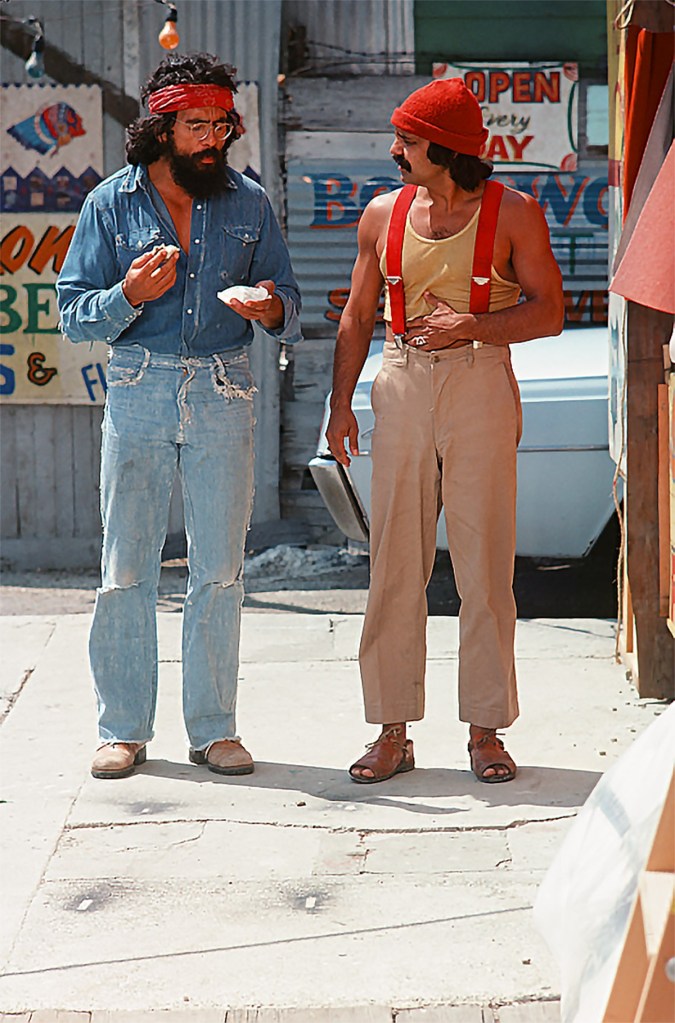
Cheech Marin and Tommy Chong
HEY MAN, IT’S DOPE
If there’s any one segment of this book almost hitting the chopping room floor, it would be this personal opinion piece I wrote on dope. At first, I thought it didn’t belong. Pondering things for several weeks, I decided it should remain.
I’ve had too many friends, co-workers, and acquaintances over the years have their lives ruined by drug use. Some lost families, and a couple lost their life. Pot, or dope as I call it, was an enabler, that them on to stronger junk.
**************************************
I recently read an article saying that some towns and cities are now allowing curbside sale of “cannabis products” during the Copid-19 pandemic. I had to laugh because this is nothing new.
Dope dealers and snake-oil-salesmen have been peddling their wares on street corners going way back. What’s even more humorous is that marijuana is now referred to as cannabis. That’s a more politically correct definition than weed, pot, reefer, or Mary Jane. Back in the day, comedians Cheech & Chong simply referred to marijuana as, dope.
Crafty marketing experts under the protection of new decriminalization laws, tout cannabis CBD oil as the cure-all for every ache and pain under the kitchen sink. One television commercial shows a person having an aching shoulder and neck. This young woman smears on a bit of reefer oil (CBD) on her skin, and she’s magically healed. I’m surprised some savvy entrepreneur, hasn’t hawked this liquid as a spray on lubricant for loosening tight knee and elbow joints.
In Needles, California, there’s a popular place where addicts legally get their product. The parking lot is generally filled with patrons. A stoplight at the intersection in front of the joint, pun intended, allows me on occasion to briefly sit and observe lingering clientele. I see the same stoner crowd going in and out of that place as I remember from high school and college days. If a politician or some highfalutin citizen needs a marijuana brownie or a fix, I suppose they send in a flunky to make the purchase.
Advocates claim that cannabis products are badly needed by folks having cancer and other debilitating ills. I’m not saying it isn’t. Medical doctors along with certified pharmacies should be the folks doling it out. What we have though are shady businesses calling themselves of all things, dispensaries. Some even go so far as to refer to things in a medical sense. A medical red cross symbol sometimes highlights their ads.
Unfortunate folks having serious illness are but a very small percentage of citizens actually in need of weed. On the other hand, as my late father-in-law often said,
“Potheads will be potheads!”
When I spew my thoughts on this subject some cannabis advocates will invariably bring up alcohol.
“But Mr. Hankins, whiskey and tequila are far worse on the body than cannabis.”
Those reeferexperts conveniently avoid the marijuana word.
I have a well-rehearsed reply for them, and it goes like this.
“We aren’t talking about alcohol; we’re talking about dope!”
That always lights their fire. I could add serious panache by finishing off this statement with the words, “you dope”, but thus far have held back.
A friend recently purchased CBD oil to try on his aching back. The manufacturer guaranteed this salve would not register positive should a drug test be administered. Scott turned in an application for employment at a local prison after using the stuff. His drug test came back positive for THC. Tetrahydrocannabinol, or THC, is the agent in pot that gives users their high.
Unfortunately, he was turned down for employment. When my pal reached out to the manufacturer regarding what went wrong, an agent told him he must’ve been drinking beforehand. The man doesn’t drink alcohol. What does alcohol have to do with testing positive for THC?
Had he asked me beforehand about trying a marijuana derivative I would’ve said,
“No way, Jose!”
Billions of dollars are being garnered in the cannabis industry through taxes. That’s one of the main reasons politicians allowed licensed dope dealers to sell it. Some people in this world have to have their high, and persistent lobbyists made sure they get it. Making dope legal keeps stoners out of jail, but does
Sadly, there’ll always be people needing some kind of addictive substance to get them through the day. Yes, marijuana is addictive. If it wasn’t, Willie Nelson, Cheech Marin, and Tommy Chong would’ve quit long ago. For those that disagree with me,
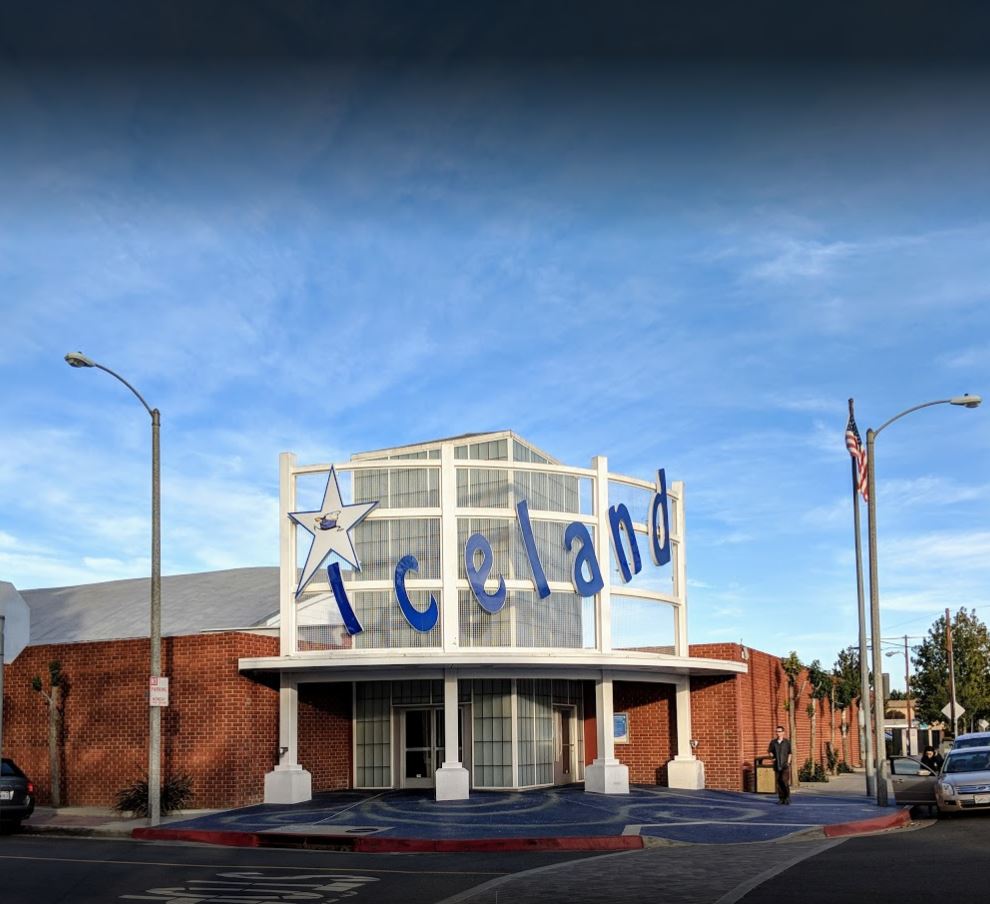
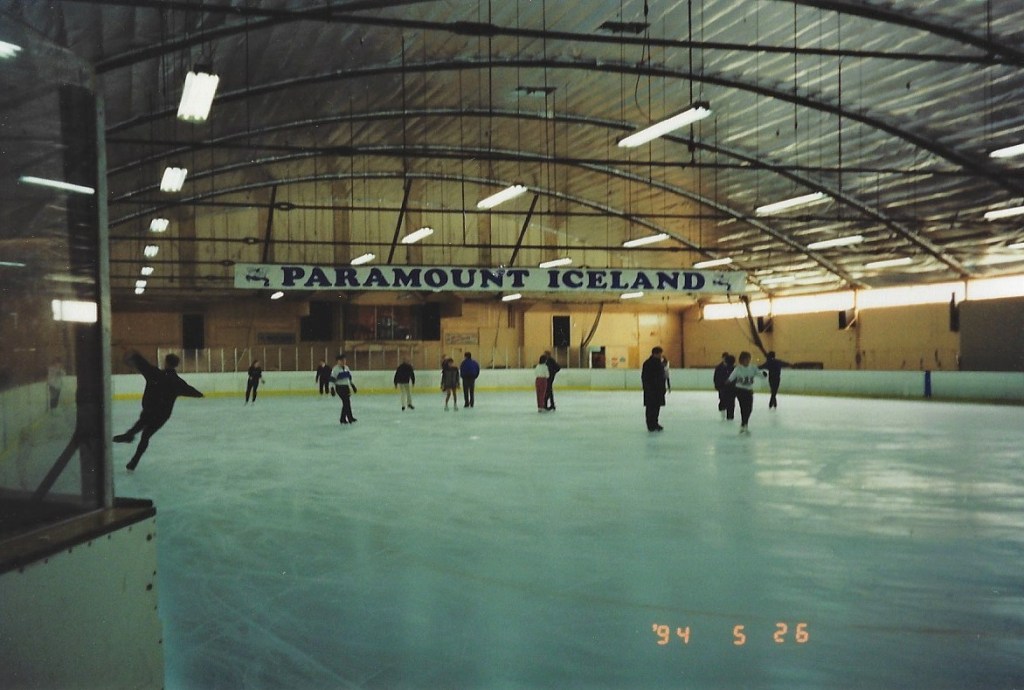
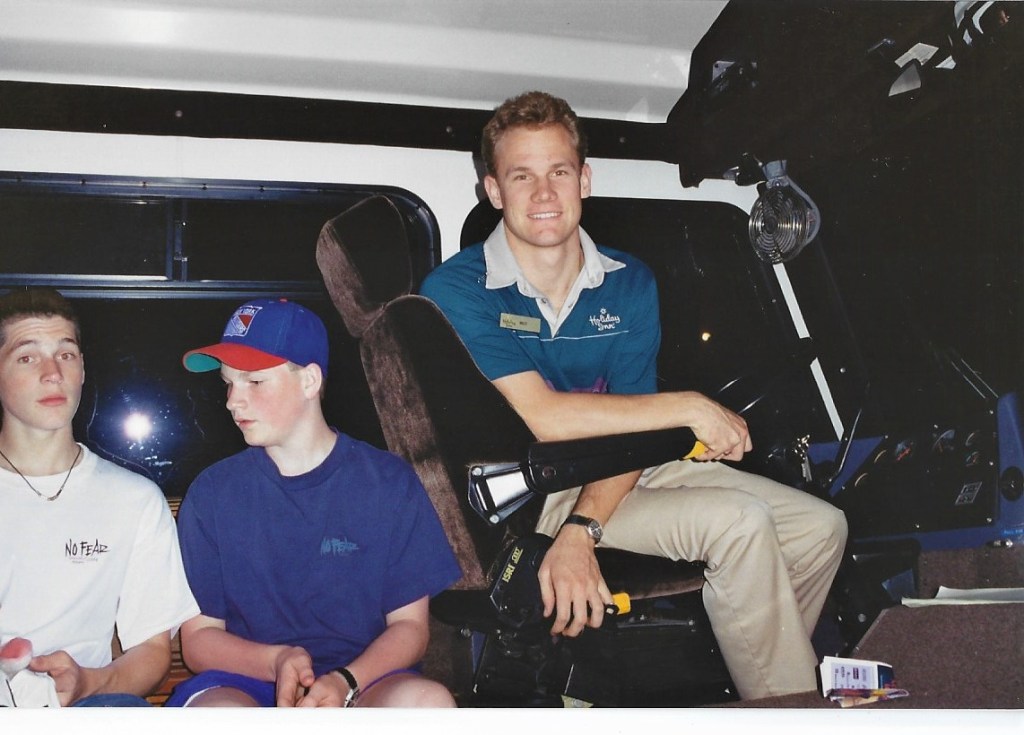
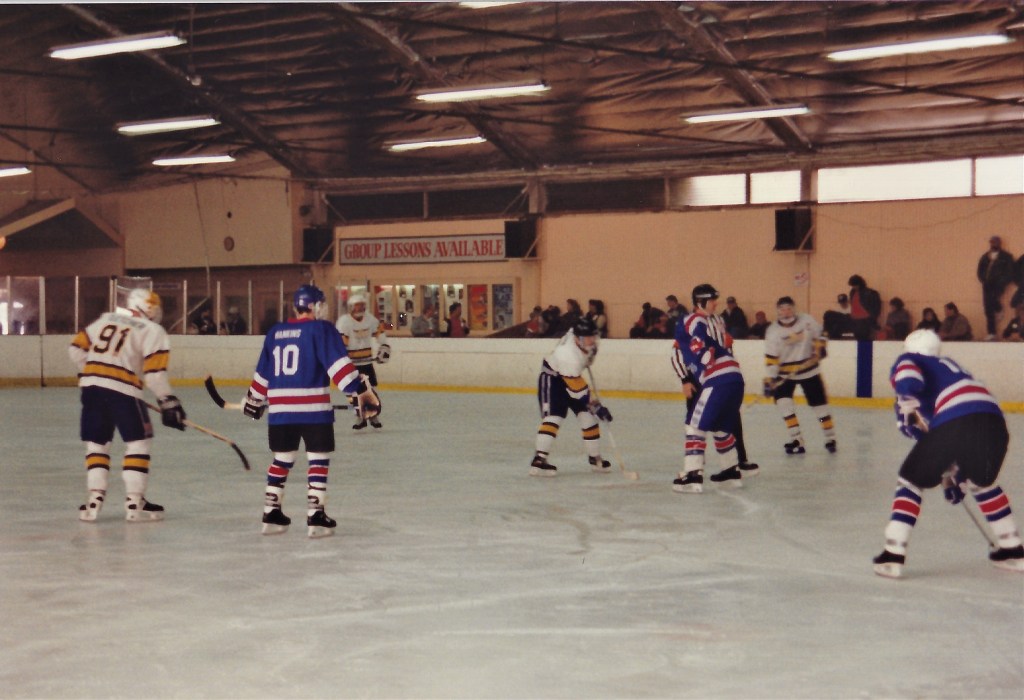
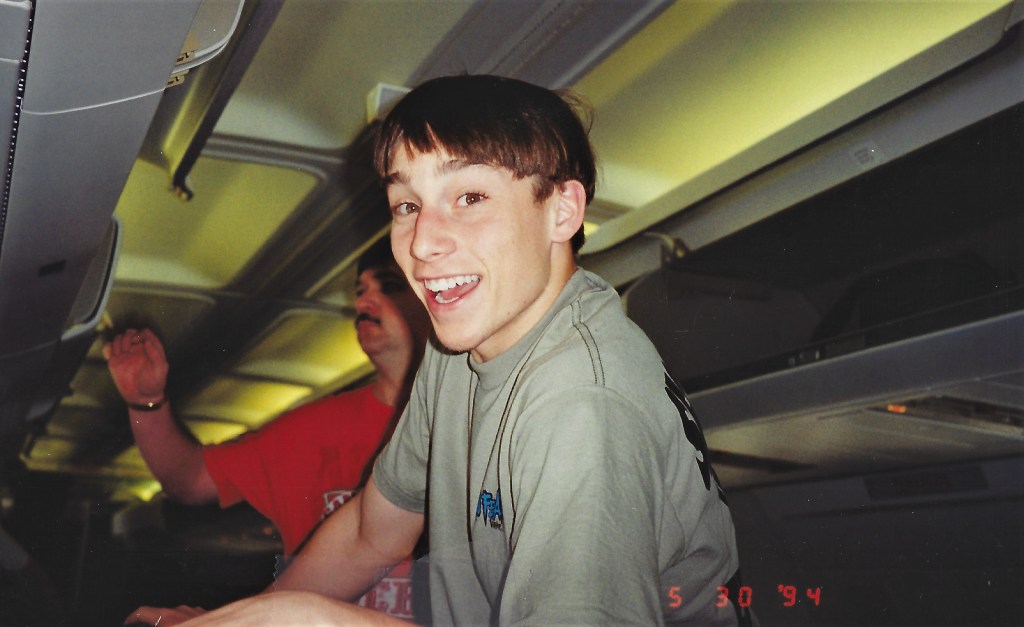
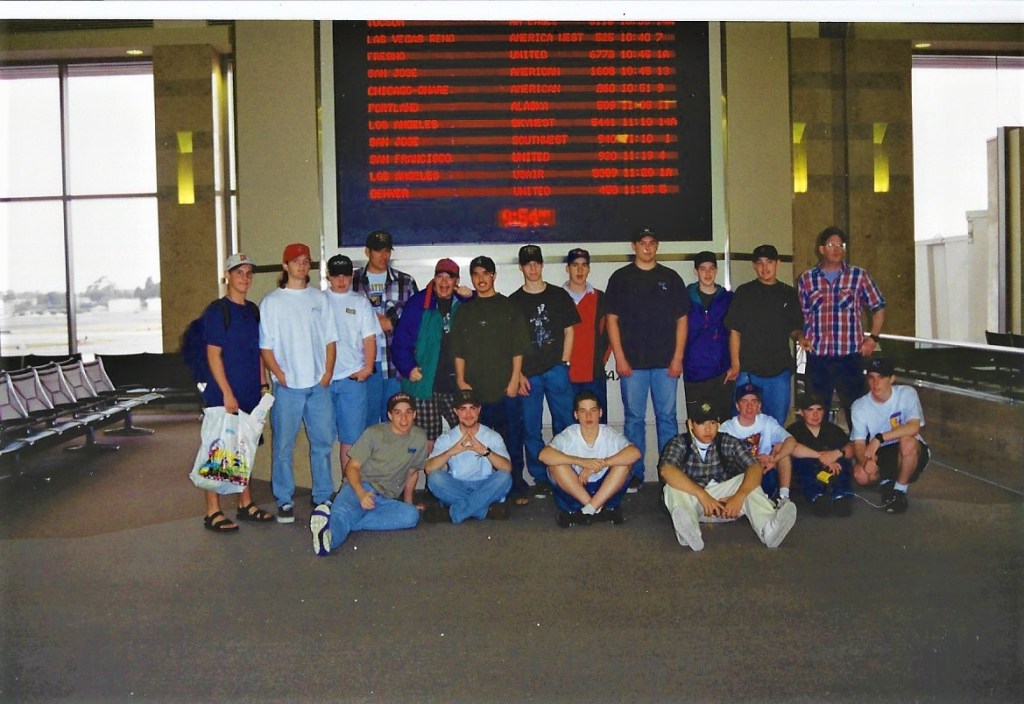
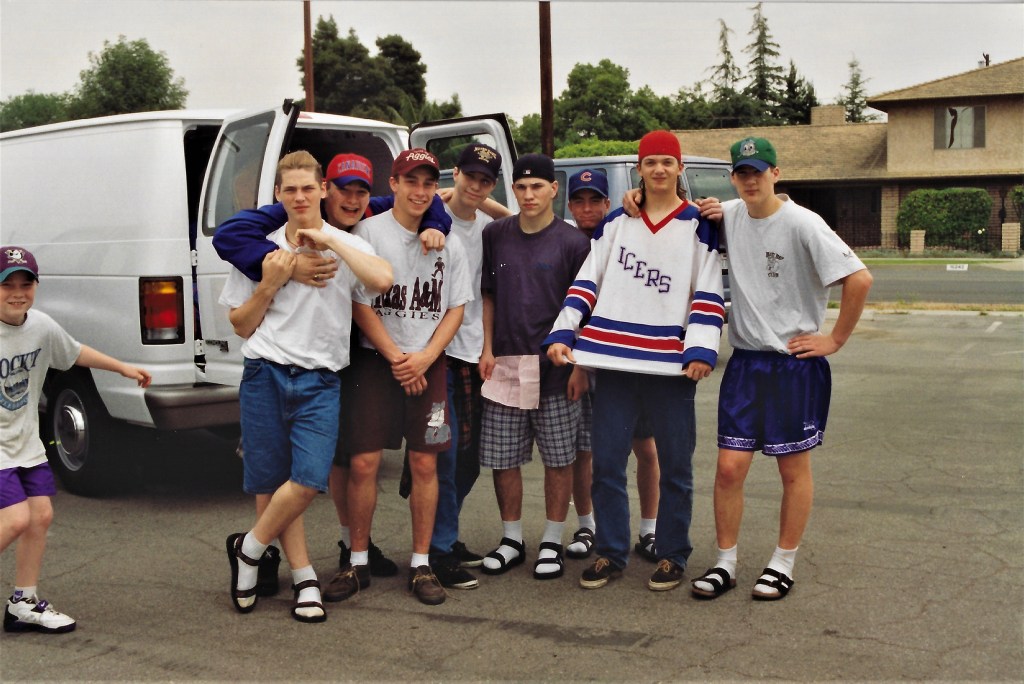
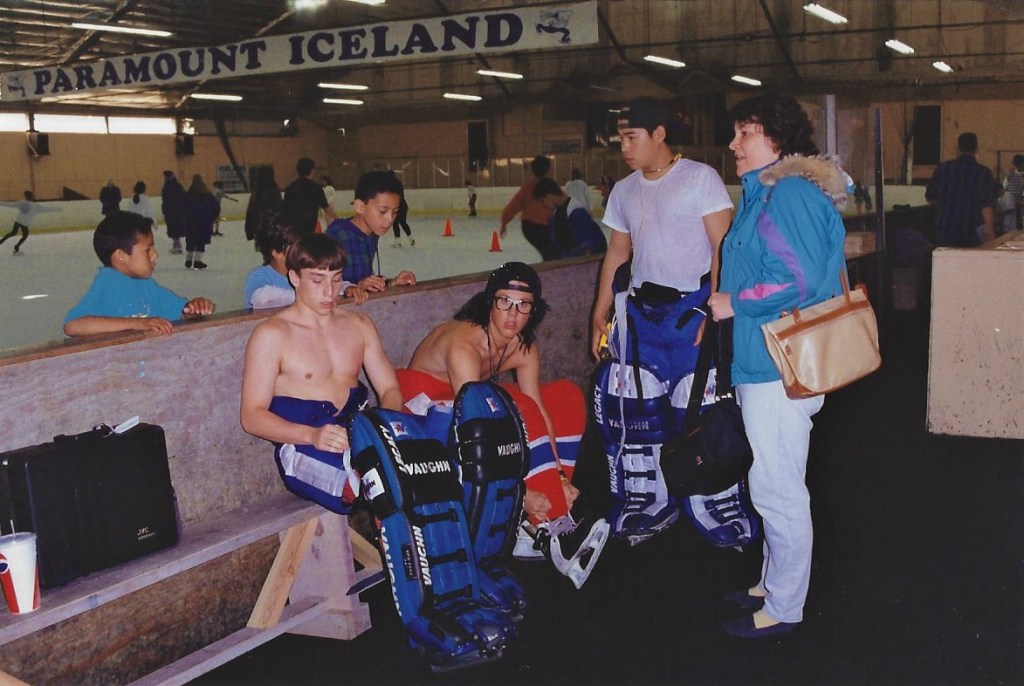
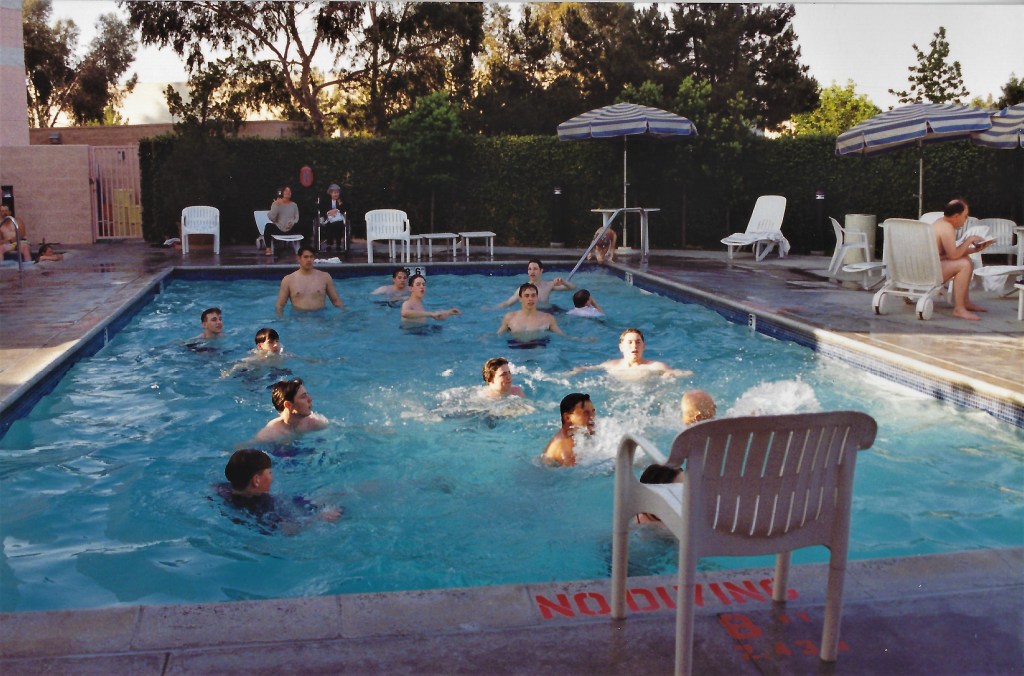
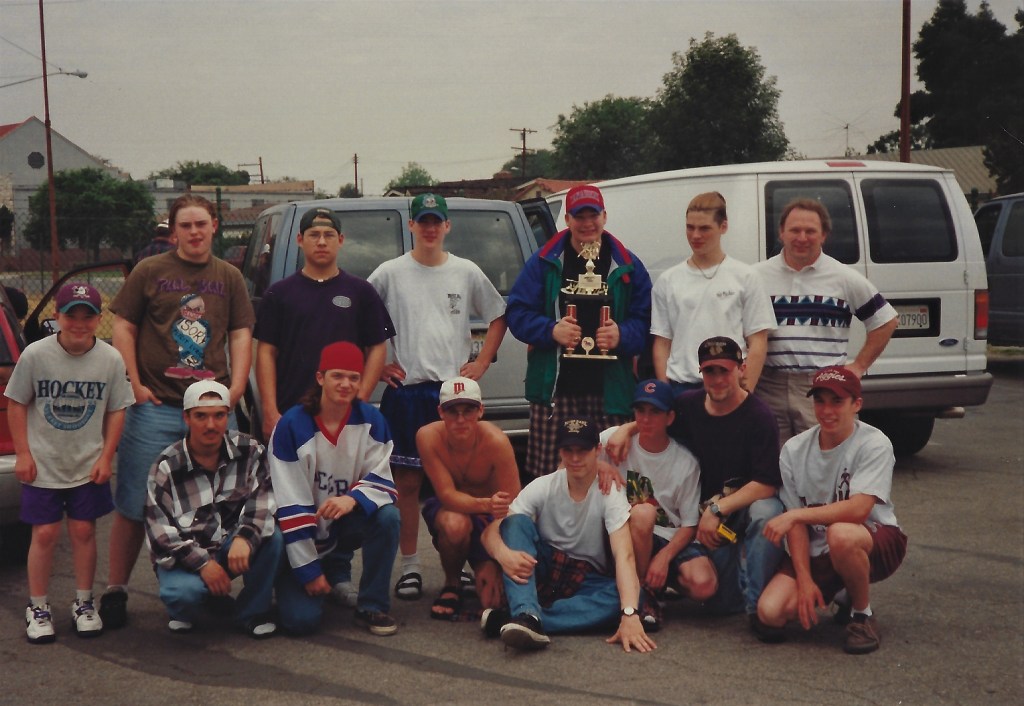
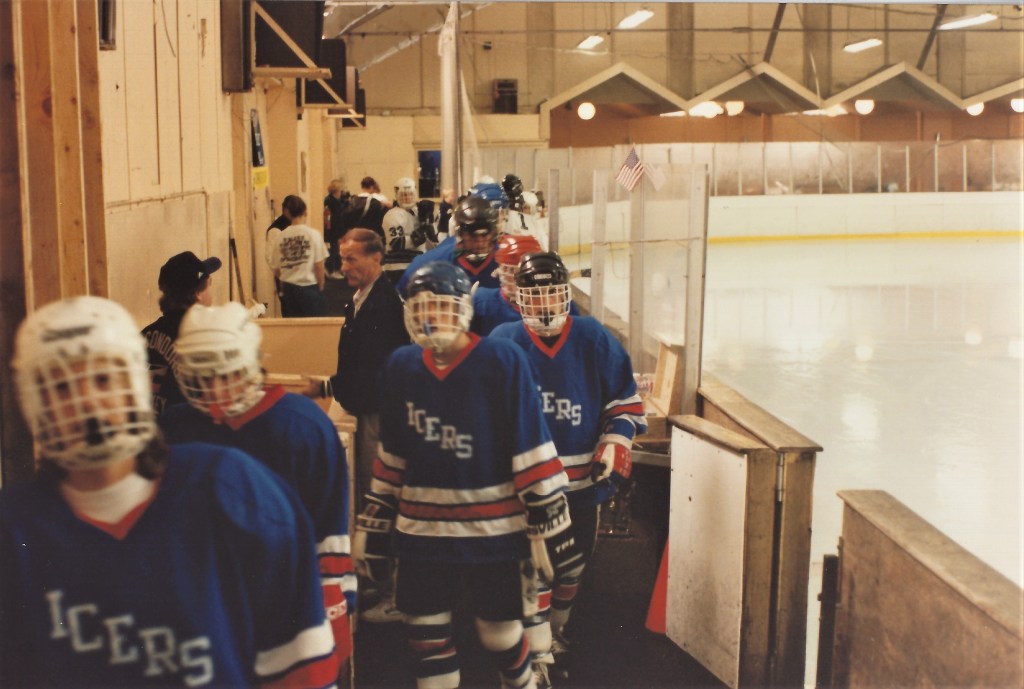
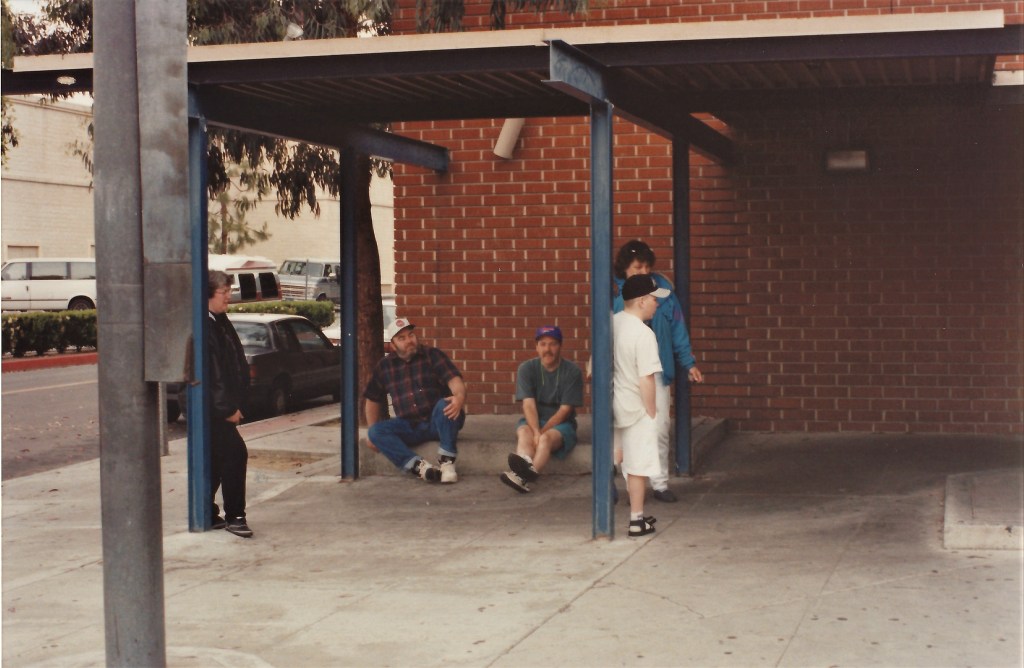
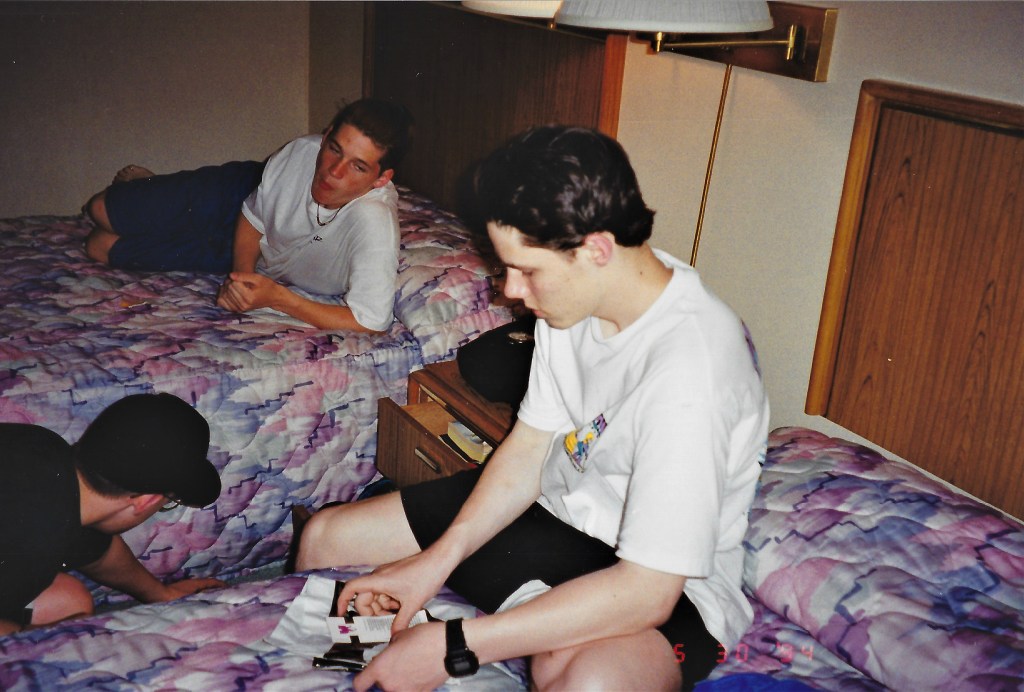
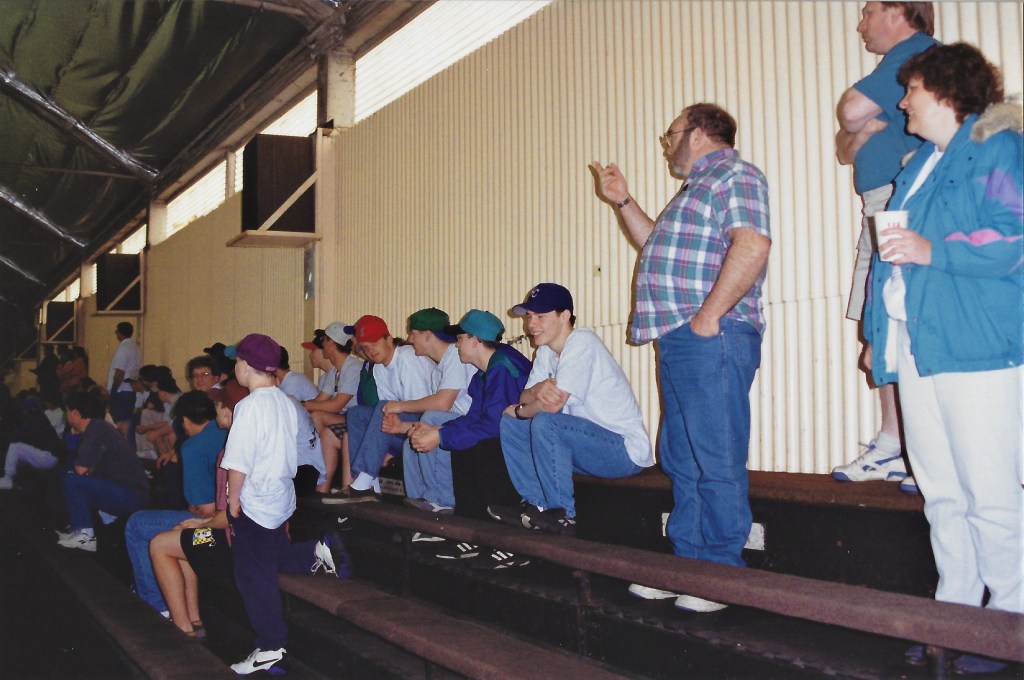
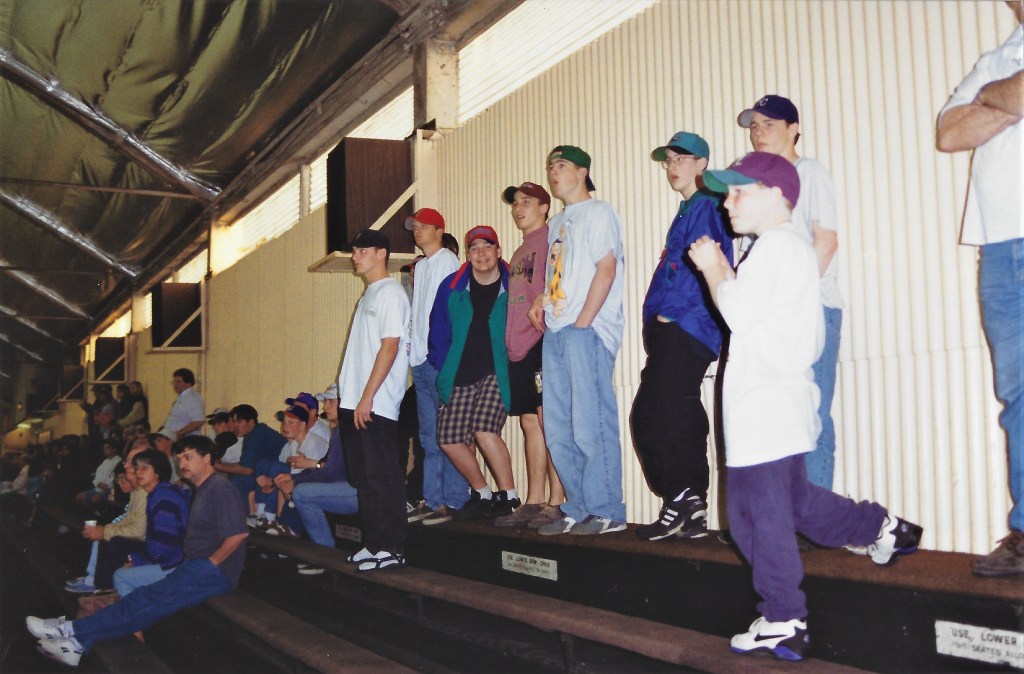
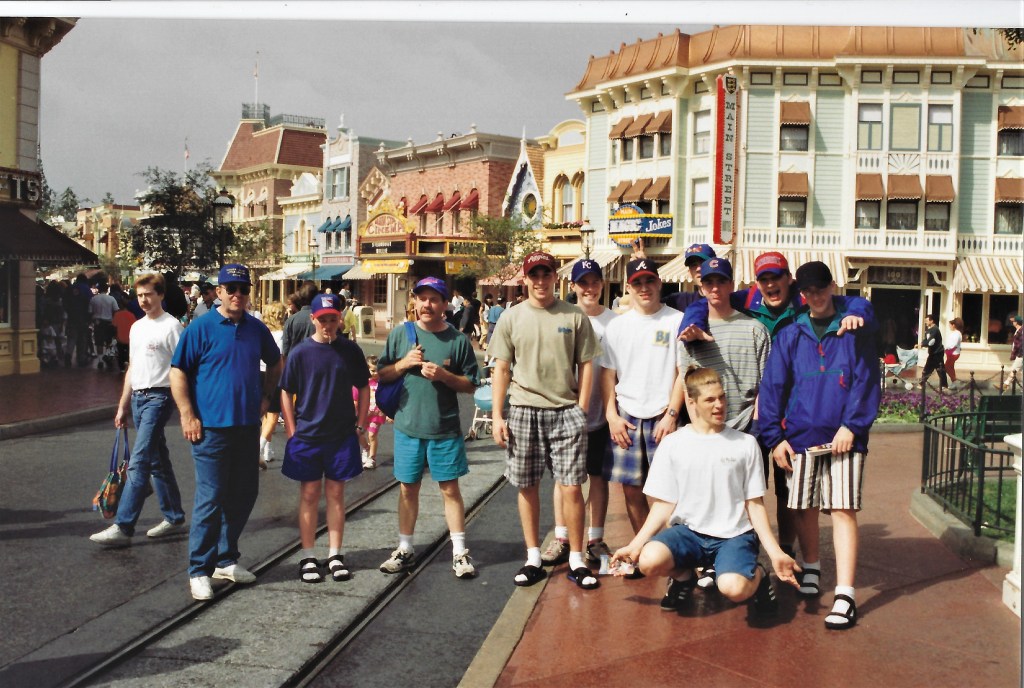
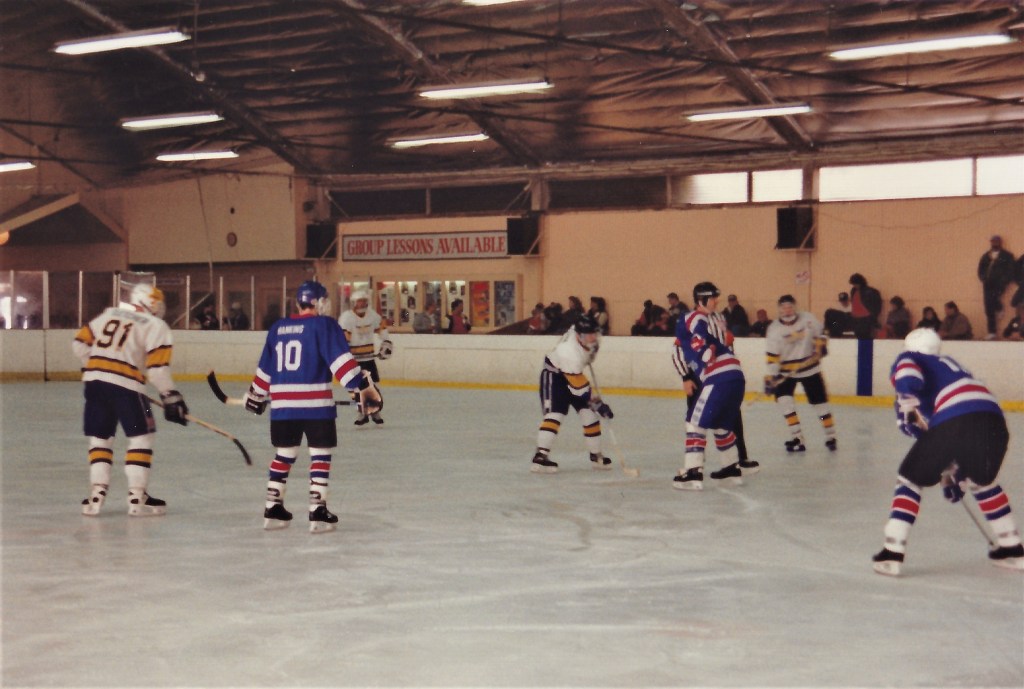
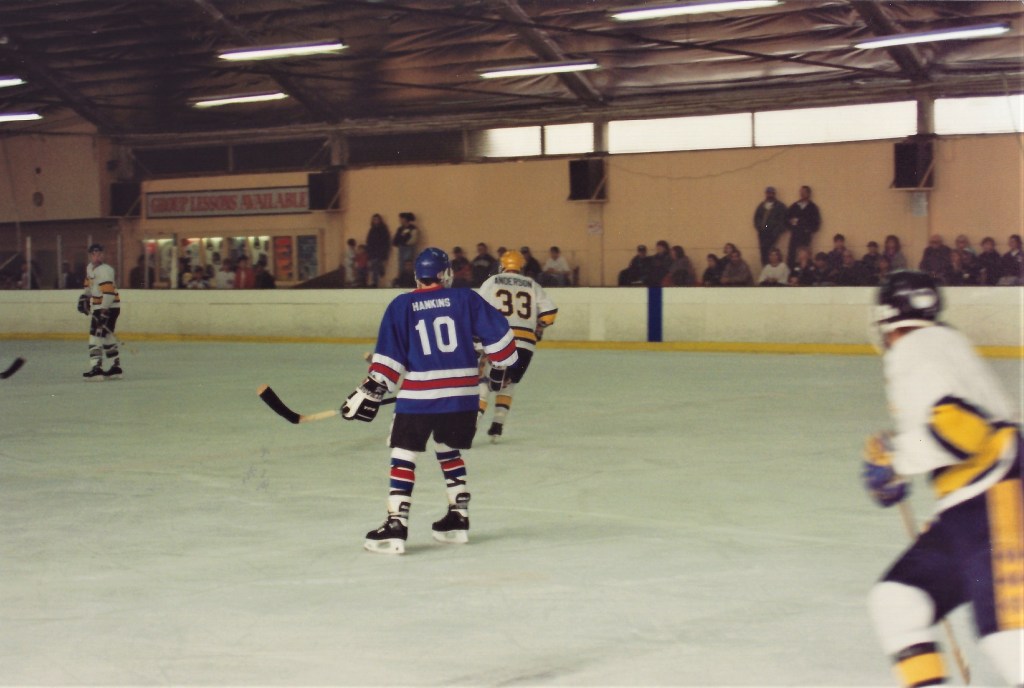
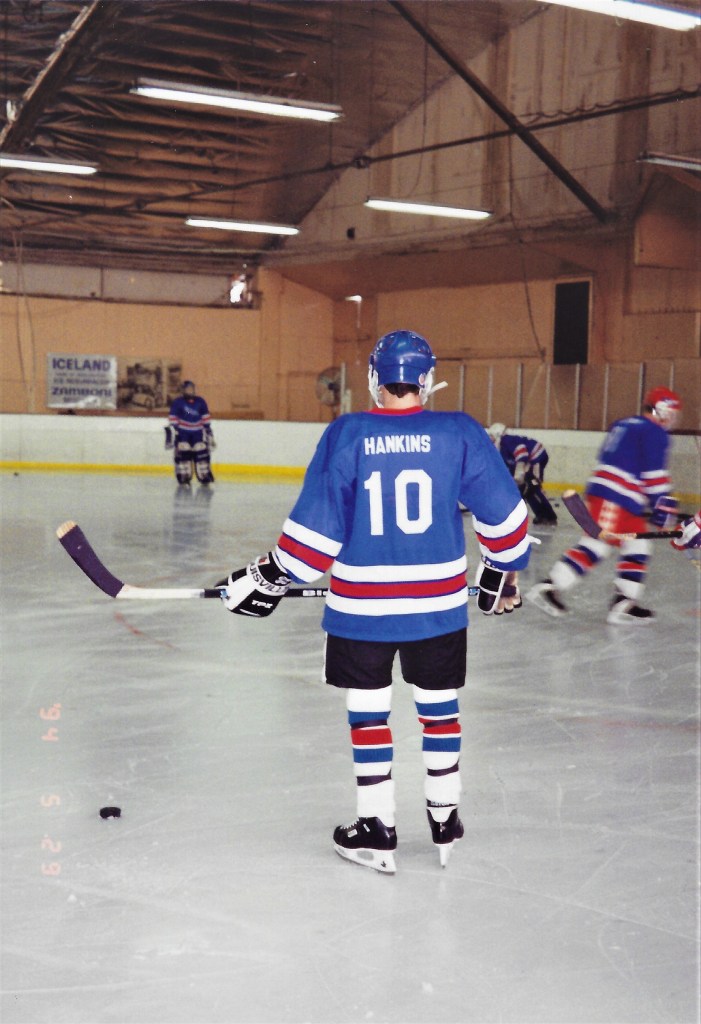
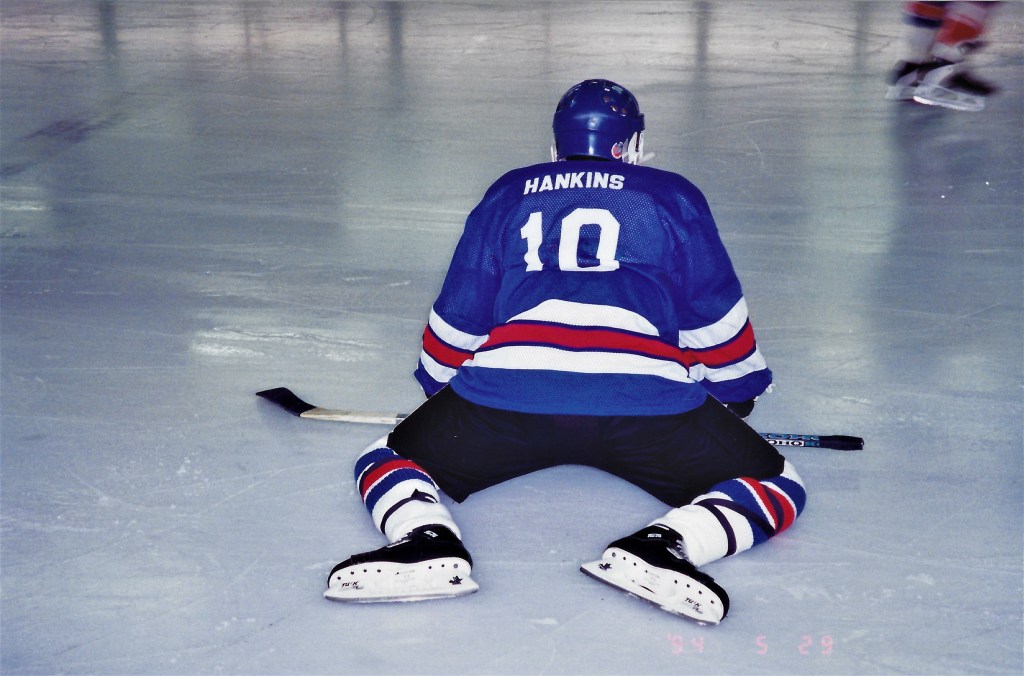
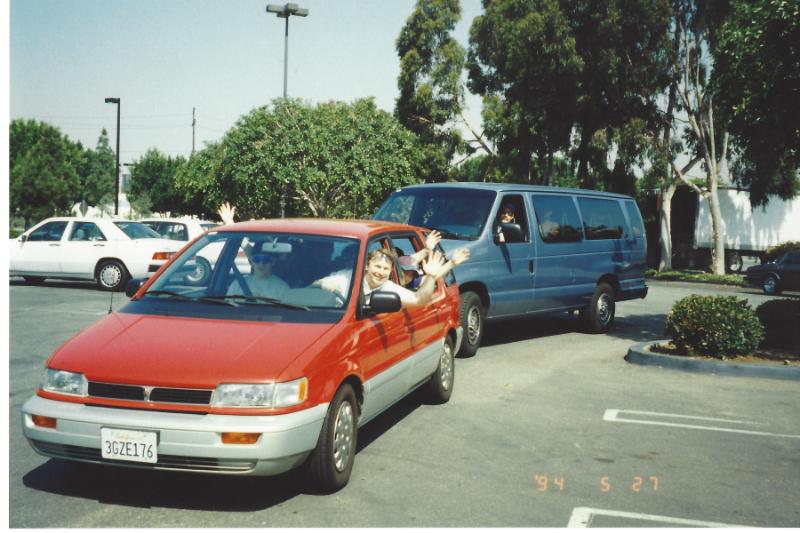
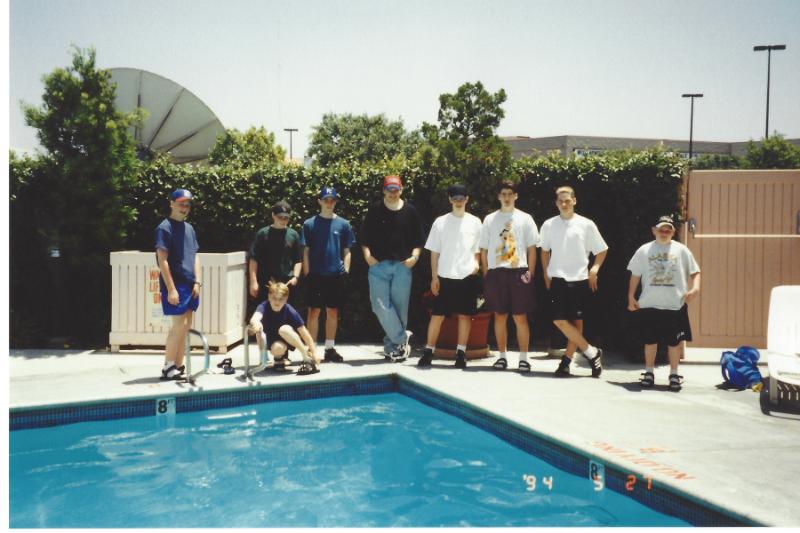
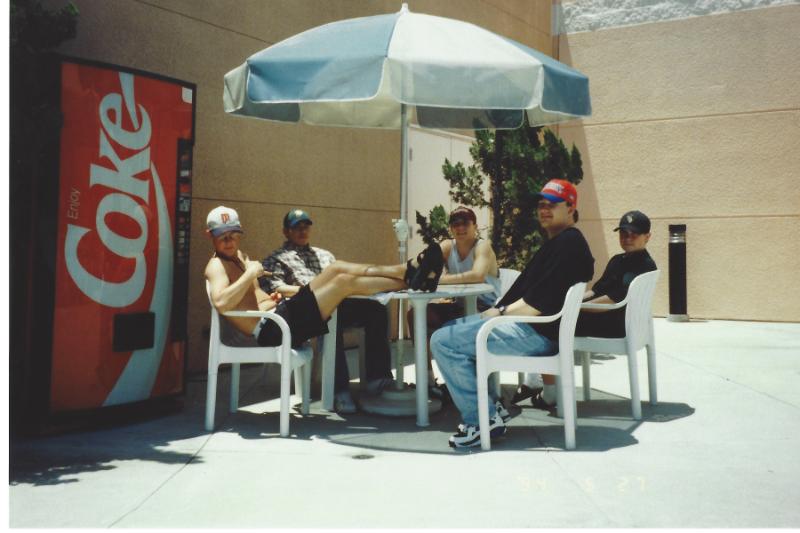
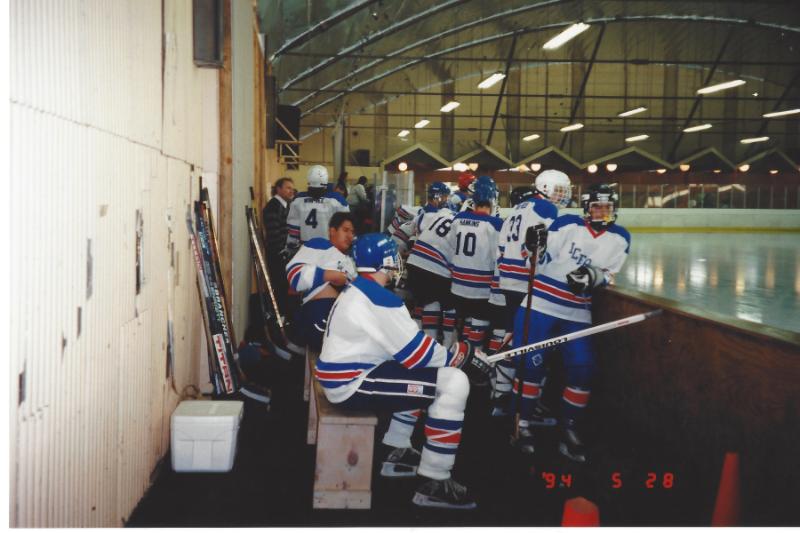
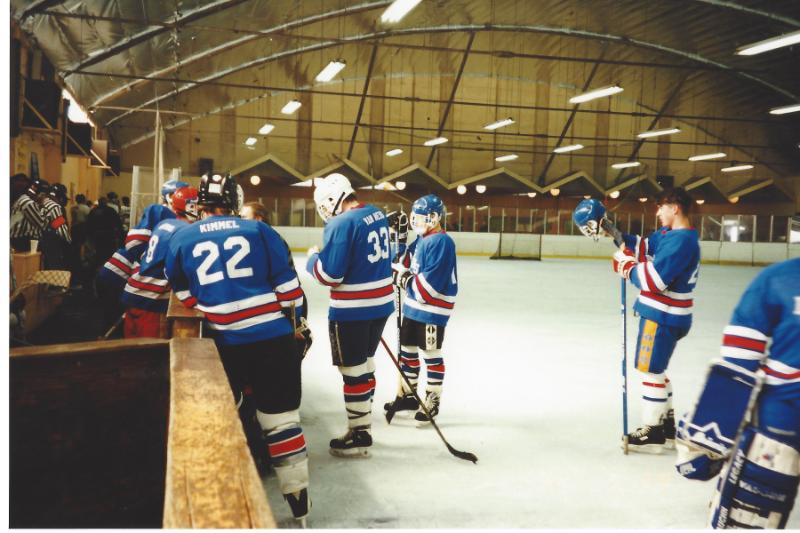
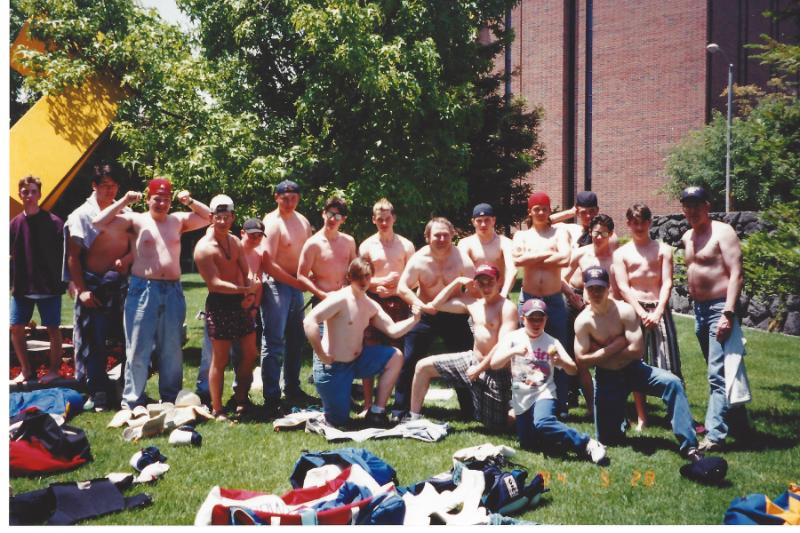
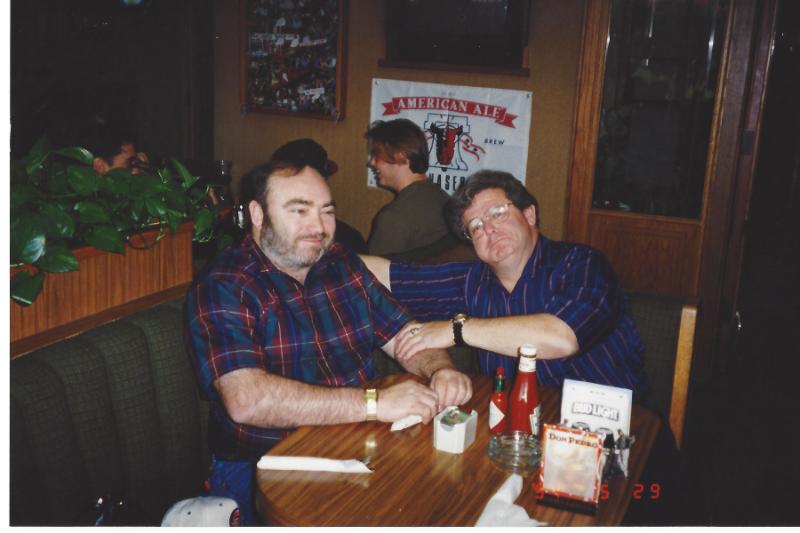
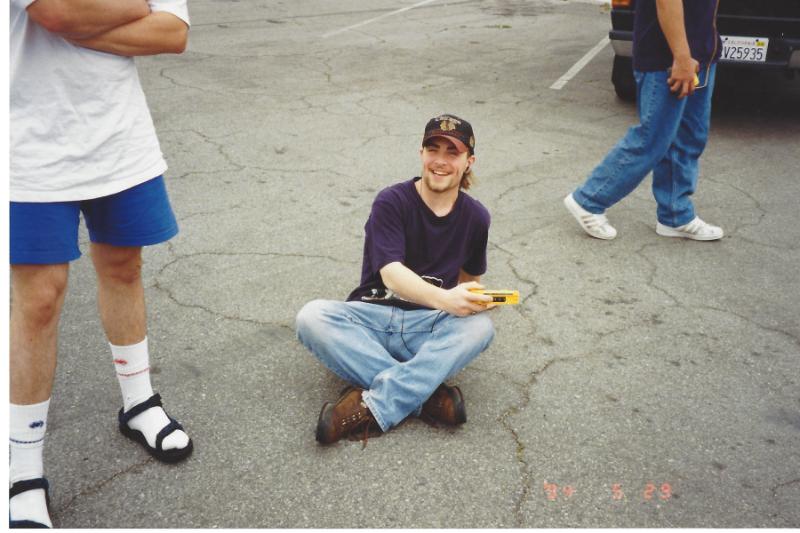
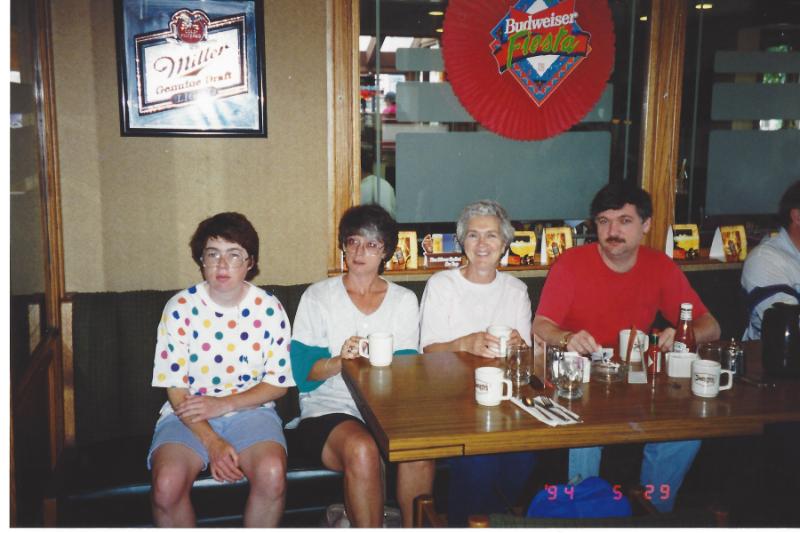
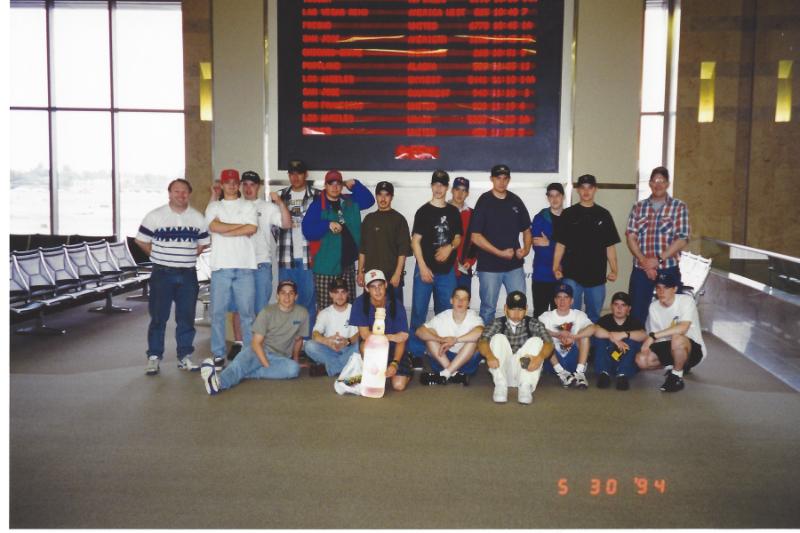
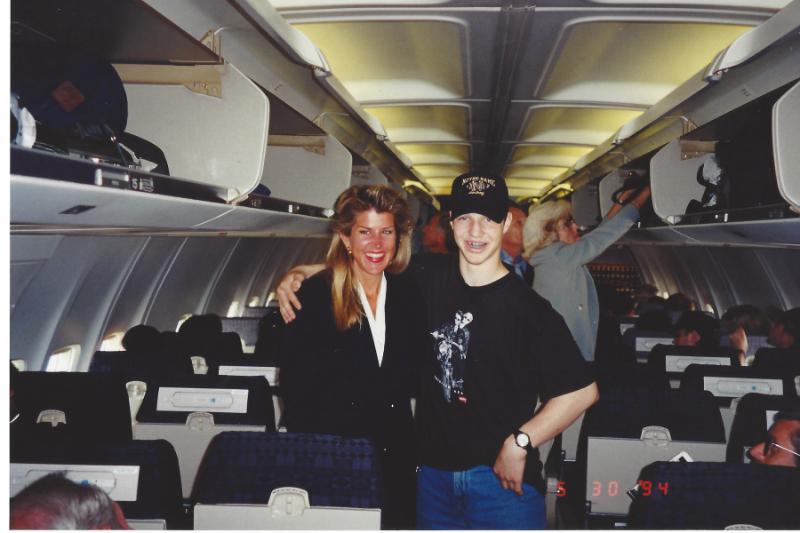
In 1994 the Anchorage Icers Midget Hockey Team was invited to play in a tournament at ICELAND in Paramount, California. There photos are from that trip. As soon as more data is compiled a full story will follow.
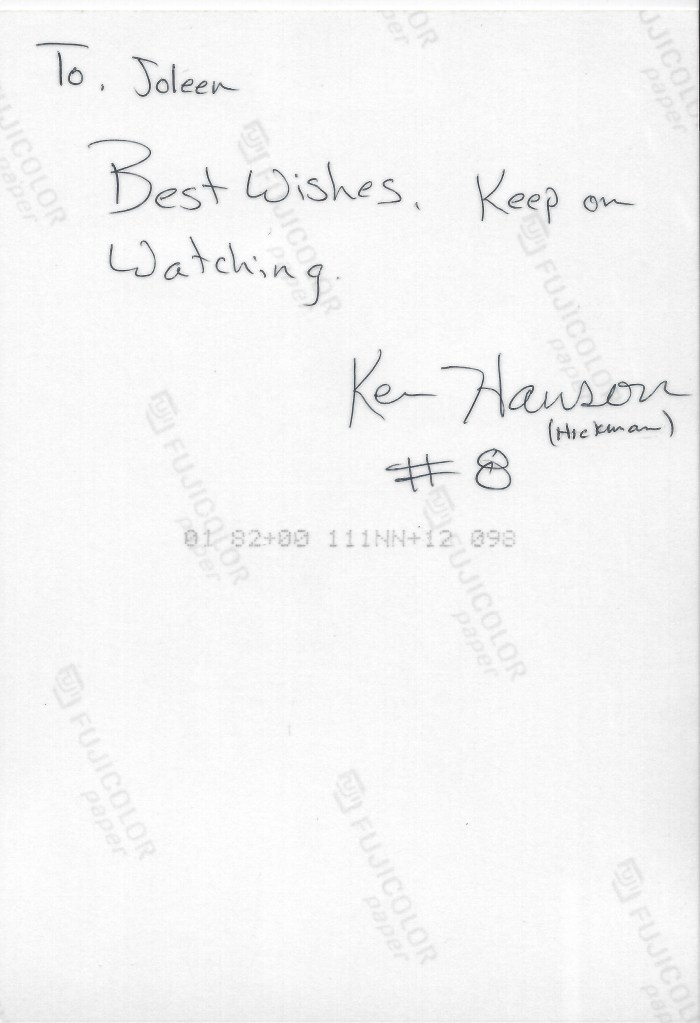
Coach Lee Van NessJack Knue and Ronnie JonesRonnie JonesDavid JonesDavid JonesKen Hickman wrote this to Joleen because she was unable to make the trip.
Since 1940, Iceland has been a practice facility for many well-known skaters including Sonja Henie, Richard Dwyer, Peggy Fleming and Robbie Robertson, just to name a few. Many of its skaters have represented Iceland’s skating clubs in National, World, and Olympic competitions. The Arctic Blades Figure Skating Club members have excelled and won medals for many years and tragically the Club was also represented by five of its members in 1961 when an airplane crash claimed the entire United States World Team in Brussels Belgium. The DeMorra Speed Skating Club has also had exceptional skaters in National and International events. Bill Disney won a Silver Medal in the 500 meter event at the 1960 Winter Olympics and many members have won medals in other competitions. Iceland has gone through many renovations since its opening in 1940 and while it celebrated its 60th birthday in 2000, its appearance is modern and its amenities are designed to appeal to today’s customers.
“At dinner that evening, our server told us it wasn’t wise to venture outside the hotel after the sun went down.”
Washington Plaza Hotel
I was a decent speller throughout my school years. Most likely it came from reading lots of books. There were several times I won our classroom spelling contest. That’s as far as I ever got.
My son Gunnar took after his old man. Not only did “G-Man” win his classroom and school competition, but he went on to compete at the ACSI National Spelling Bee in Washington, D.C. I was the lucky parent going along as chaperon.
“G-Man” is a nickname we gave him. His mother and I also call him “Mr. G”, and “Big G.” It has to do with with the first letter in his name. The “Big G” moniker most likely comes from lines in a Cheerios commercial,
“Big G, little o, means Go Power!”
I’m sure my son is more than elated his name doesn’t start with o.
Our daughter also has a unique nickname. Miranda to this day is called, “Panda Miranda.” Joleen nicknamed her after a bear and not Panda Express. Pardon me for drifting off subject. Time to get back to the spelling bee.
The year was 1992. Gunnar and I flew from Anchorage International Airport to Washington National Airport (now Ronald Reagan National Airport). I recall walking to a taxicab loading area, and seeing all kinds of expensive cars lined up in a reserved parking lot. There were BMW’s, Jaguars, Cadillac’s, Lincoln’s, you name it. I assume those vehicles belonged to politicians away on business. That left a bad impression on me.
Our taxi ride was another unsettling experience. The man driving the cab wore a turban. That in itself is not unusual. What was discomforting was that he was one of the most unfriendly people I’ve met.
I tried to start a simple conversation, yet he offered nothing in return. It was easy to see that he either didn’t care for his job, or he resented us. I’m a pretty good judge of people and this guy put me on edge. When he glared at us in the rear view mirror, I made it a point to stare his direction as well. I’d been taught that eye to eye contact is good. In this case it eventually stopped him from watching us.
The route this man took to our hotel had me mortified. We drove past parks and derelict buildings where inebriates lined the street. Some of them lay on benches while others were propped up against walls. Garbage was everywhere. The picture was not pretty. It definitely was not something I expected to see in Washington, D.C.
Our cabbie dropped us off at the Washington Plaza Hotel. This was the designated hotel for all spelling bee participants. I made sure to tip the guy in spite of his rudeness. The Washington Plaza Hotel is a great place to stay. Everything was spic and span, with grass and foliage well taken care of. Compared to the Motel-6’s our family generally stayed in, it was quite fancy.
Gunnar and I checked in and were taken to our room. I wasn’t used to anyone carrying my bags. This was the first time I’d come across such. Once again tip money came in handy.
“Mr. G” goes to Washington, D.C. – 1992
That evening we ate a specially prepared dinner with other students and their parents. We were given tickets to ride a bus the following day to areas of interest.
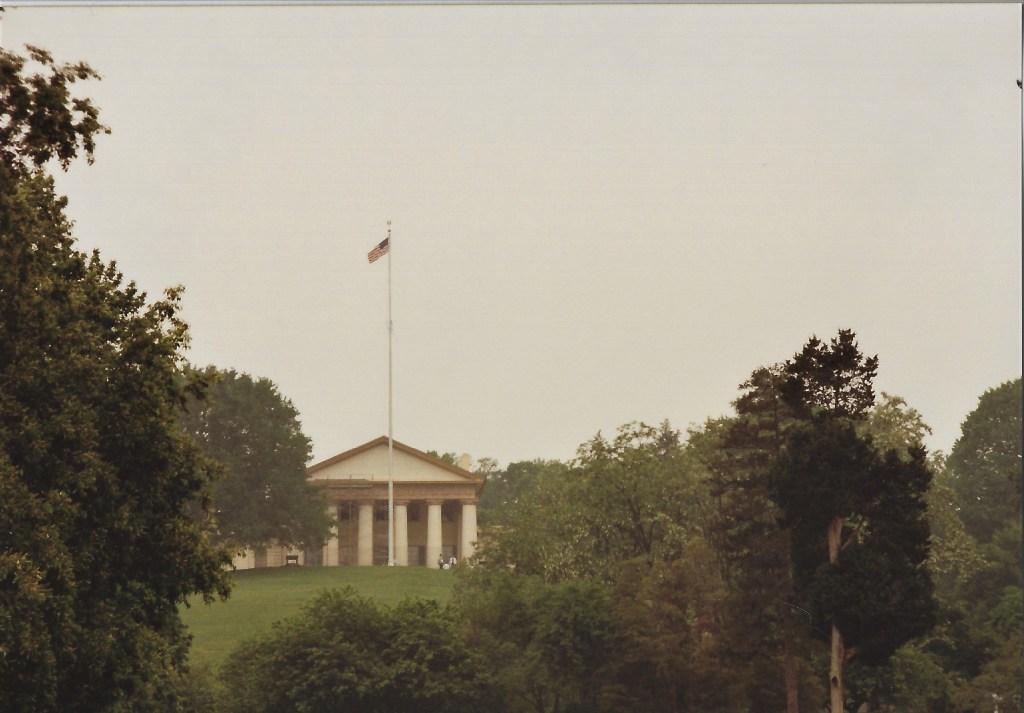
Gunnar and I chose a bus taking us to Arlington National Cemetery. While at this place of homage, we visited President John F. Kennedy’s grave site and The Tomb of the Unknown Soldier. From a distance, I could see Confederate General Robert E. Lee’s stately mansion called, “Arlington House.” Large white columns were visible in foreground. Unfortunately, we didn’t have time to take a tour.
“Arlington House” from a distance (photo by me).
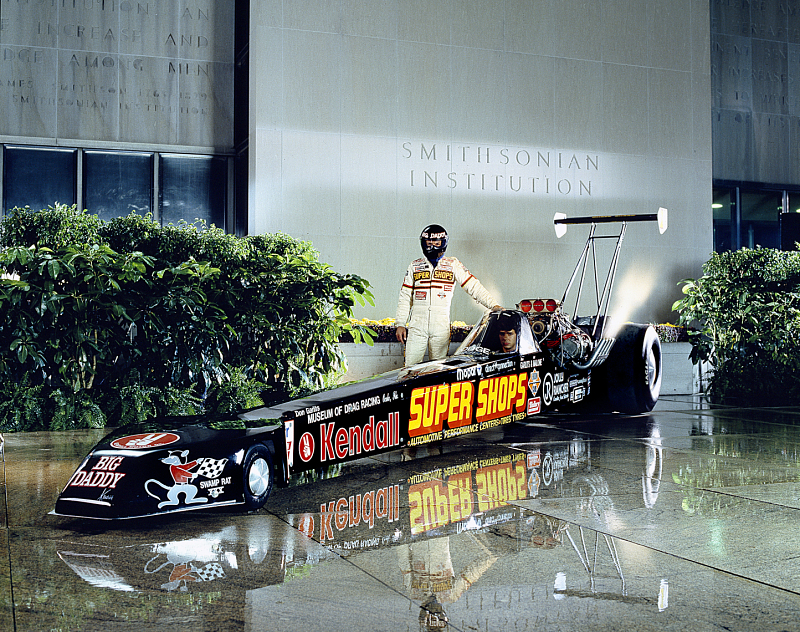
After several hours at Arlington, our tour bus took us downtown to the Smithsonian Museum. Gunnar was most thrilled in seeing their space display along with aviation exhibits. “The Spirit of St. Louis” hung from a ceiling. This was the airplane that Charles Lindbergh flew across the Atlantic in 1927.
What caught my interest out of all the displays, was the SWAMP RAT XXX dragster that drag racer Don Garlits drove to NHRA victory in 1986. I knew this car was at the Smithsonian, yet didn’t realize it held a spot of such provenance at the front door.
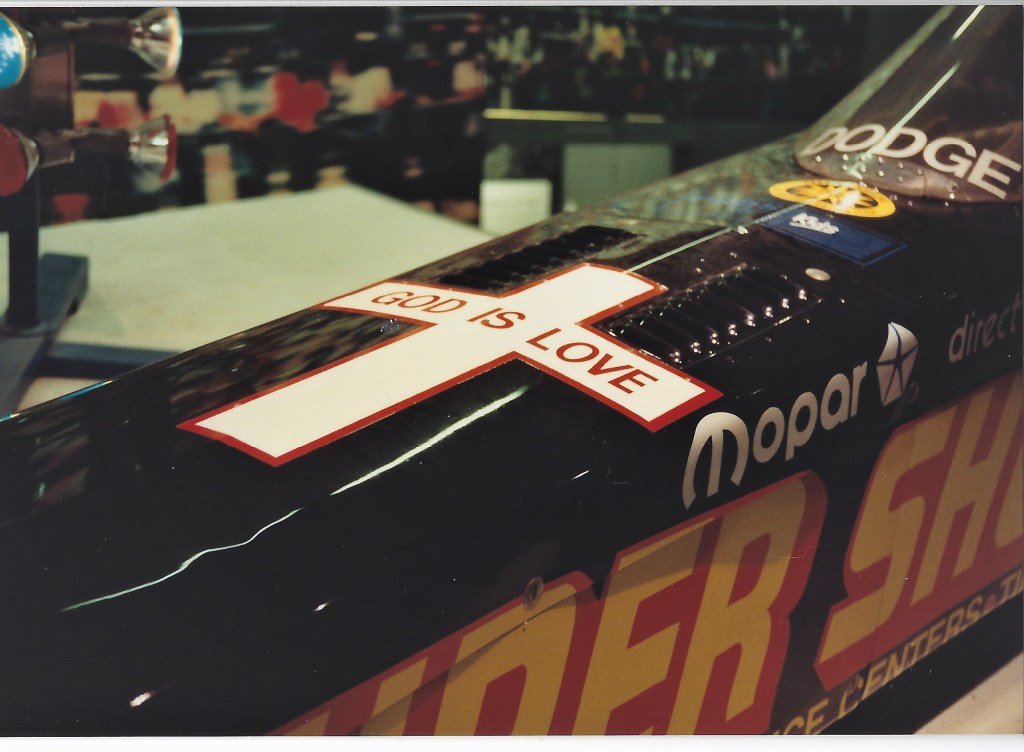
On top of the dragster’s cowling were the following words in large letters, GOD IS LOVE. There’s a poignant story a to why Garlits has that saying painted on each of his race cars. This bit of information comes from the Museum of History website:
“The dragster carries a Christian cross and the words “God is Love.” This reflects Garlits’ experience in 1959 when, after an accident, his system could not handle pain-killing drugs. In severe pain, he cried out, “Lord help me,” and his pain ceased.”
“Swamp Rat XXX.”.I took this photo a the Smithsonian – 1992
Seems I’ve drifted from the story line once again. I’ll try to keep things on my son traveling to Washington, D.C., to participate in the ACSI National Spelling Bee a bit more on track.
After a full day of visiting historical places including the Smithsonian, we returned to our hotel. It was starting to get dark, yet we decided to go outside and walk across the street to a corner pharmacy. While inside the store Gunnar and I received strange looks. A couple of rough looking characters seemed to quietly ask,
“What you doin’ in this ‘hood?”
Purchasing our goods, we hustled back to the hotel entrance.
At dinner that evening, our server told us it wasn’t wise to venture outside after the sun went down. We’d already figured that out.
Saturday morning was the beginning of competition. Gunnar seemed more interested in a female competitor than he did the bee. He’d met her during a group get-together that first night. I believe she was from Washington State.
When it was his turn for a word I was as nervous as anyone. I could see my son was too.
The announcer carefully enunciated,
“Firkin.”
Gunnar was allowed a repeat pronunciation including an explanation of meaning. He asked for both.
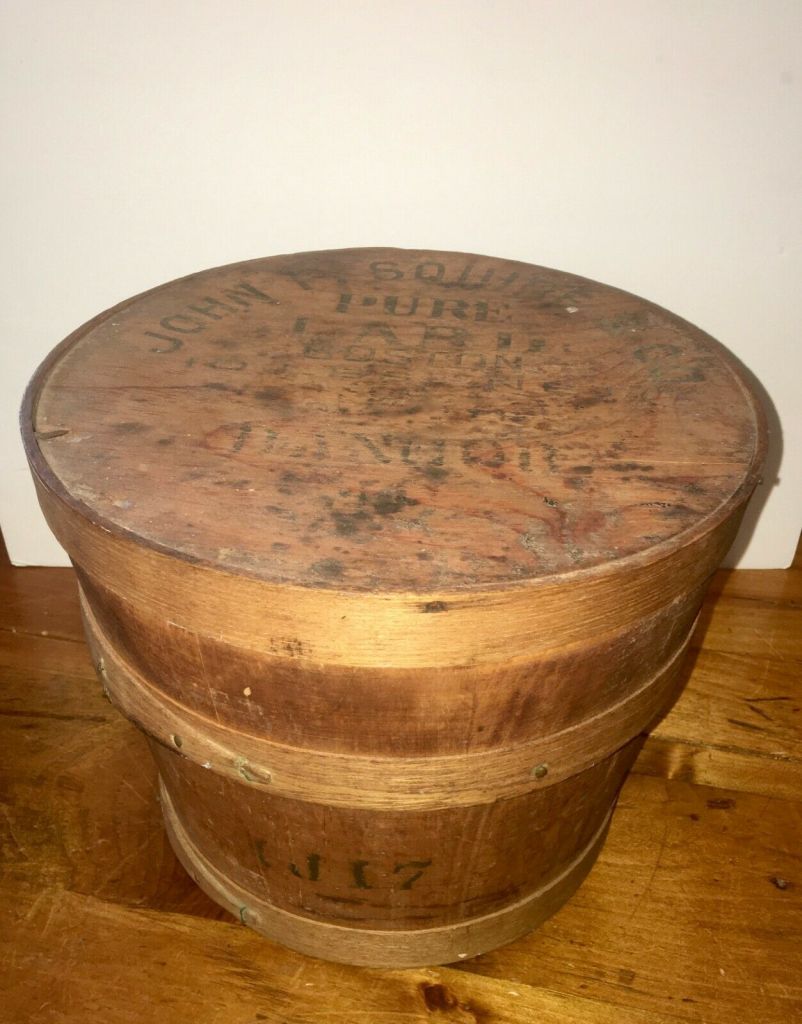
“Firkin. A pail or tub used in measurement purposes, such as a ferkin of lard.”
My son paused a second before attempting to spell the word. There was unsteadiness in his voice,
“F – E – R- K – I- N?”
“I’m sorry.” the announcer said. “The correct spelling is F-I-R-K-I-N.”
We flew home the following day. Gunnar was bummed but also happy in having made the trip.
I told him that I’d never heard of a firkin.
“My grandparents called a bucket of lard a bucket of lard!” I informed him.
Joleen’s Grandpa Schweitzer had a shockingly funny description for anotherbucket filled with different material, yet I kept that one to myself.
Firkin of lard
I saw enough of Washington, D.C. to last a lifetime. Other than not getting to step foot in Robert E. Lee’s home, I was happy. I truly appreciated the unlimited history of the place. What I didn’t like was the feeling of evil lurking within. I get this same queasiness each time I visit Las Vegas.
Ironically, some 24-years later, Gunnar moved to the Washington, D.C. area on a job assignment at the Pentagon with his wife Kaye, and their children, Kevin & Grace. The family, along with my wife in tow, were able to take a tour of Robert E. Lee’s home. I stayed behind taking care of our animals. The description Joleen gave me upon her return to Arizona was more than enough to satisfy my curiosity. I have no reason to go back unless of course, one of my grandchildren should qualify for the spelling bee.
*written mainly for my grandkids
“F-e-r-k-i-n?” No, this isn’t Gunnar. I didn’t get a good one of him up there.
“Someday you’ll find there’s good reason in God making you pink.”
Baby Gus the Octopus
In the Pacific Ocean, many years ago, Boris and Doris Octopus had a precious baby child. They named their tiny newborn, Gus, after Boris’s great- grandfather. Great-grandpa Gus, unlike other octopus in the ocean was born an off shade of white. Friends and family lovingly called him, “Albino.”
Little Gus, like his great-grandpa, was also different from the rest. While Boris and Doris were black in color, little Gus was deep pink. Regardless of this abnormality, Gus’s parents loved him just the same.
As Gus grew older, he was ridiculed by older fish and octopus. They made fun of him because he was different. Gus came home from school one day very, very, sad.
“What’s wrong child?”, his mother asked.
Between tears, the little guy told her what ‘Sid Squid’ called him at recess.
“Stinky pinky.”
Doris wrapped her arms around the child and gave him a tender hug.
“Don’t let that bother you.”, she told him. “I too was ridiculed by certain kids!”
Hearing this, Gus wanted to know more.
“Have you not noticedI have nine arms while you and dad have eight?”
Wiping tears from both eyes, Gus shook his head indicating that he hadn’t.
“Well, I was born with an extra arm and classmates made fun of me because of it. They called me an octofreak.”
“What did you do?”, Gus asked.
“At first I cried. After several years though, I found I could do more with nine arms than other kids could with eight.
“Like what?”, Gus wanted to know.
“I was champion at playing octowhirl. With that ninth arm I’d give the sea shell an extra twirl! I went on to compete in the Sea Olympics.”
Gus thought several seconds about what his mother said before replying.
“I don’t have an extra arm. I’m just a stupid color.”
Doris corrected her boy about using the stupid word.
“Someday you’ll find there’s good reason in God making you pink.”
Several years went by. Gus entered high school and was the brightest kid in his class. Teachers ranted and raved about how smart he was.
“That child of yours is a genius!”, Mrs. Brown told Gus’s parents. “Someday I hope he becomes a doctor!”
Gus did exactly that. He went on to medical school and graduated at the top of his class. Before long, he was the lead emergency room doctor at Orca Whale Memorial Hospital.
One night, a squid was brought to the hospital in serious condition. Two of the squid’s tentacles had been cut by a razor clam. The poor guy was close to dying.
Gus instantly recognized the patient. It was the same Sid Squid who’d called him bad names throughout school. That didn’t stop Gus from operating on him.
Sid Squid
It took several hours before Dr. Gus Octopus along with his helpers fixed Sid’s hurt tentacles. The squid would be okay.
Later the next morning, Gus swam over to his parents to tell them what happened. His father, Boris, was out playing a round of golf with some sea mackerel. Doris Octopus was at home cooking. Gus excitedly told her about saving Sid Squid’s life.
“I’m so proud of you son. I always knew that God making you pink was a blessing.”
Gus wasn’t sure what color had to do with things until his mom finished her statement.
“Being pinker made you a thinker but you’re still my little stinker!”
She then gave Gus a big octopus hug along with a slice of freshly made seaweed pie.