I asked a local bakery employee in a grocery store the other day if they offered a baker’s dozen on donuts. The young lady said yes and gave me the price. When I asked if that was for 13, she looked at me as if I were crazy. “No, a dozen is 12!” It was easy to see the gal didn’t know what a baker’s dozen was.
A baker’s dozen means 13 instead of 12, and its history is usually traced to medieval English baking laws—not specifically donuts at first. In medieval England, bread was heavily regulated because it was a staple food. Bakers could be punished for selling underweight loaves.
Since bread weight could vary after baking due to moisture loss, bakers often added an extra loaf when selling a dozen to ensure the customer received at least the required number.
Over time, that “extra” became known as a baker’s dozen. Where donuts are concerned, the phrase carried over naturally because donuts—like bread rolls, pastries, and bagels—are commonly sold by the dozen.
A donut shop offering 13 donuts for the price of 12 is continuing that old “extra one to be safe or generous” tradition, though today it’s more of a customer-friendly bonus or marketing gesture than a legal precaution.
I decided to check around to see if this bakery was the only one not following the old English tradition, and they weren’t. It seems that with the increase in price, a baker’s dozen has been reduced back to 12. Never mind that when you pay, and change is due, you’ll also be shafted any Lincoln pennies.
I believe it’s hocus-pocus how stores now advertise “deals,” as they like to call them. Older folks like me have to carefully read the small print on signs to see just what we’ll be paying.
I don’t know how many times I scanned an item only to see the regular price instead of the sale price at the end of a transaction. Walking back to read the sign, I discovered I needed to purchase another 11 to get the lower price.
Special offers can also be confusing and are undoubtedly subject to change in the near future. BOGO (buy one – get one) will mean exactly that. Folks will be stupefied when they look at their receipt and see they’ve just paid for two.
Shouldn’t this have been BOGT (buy one – get two) to begin with? This reminds me of tactics used by car lots in the 60s and 70s to leave customers mystified. A car would be advertised for a certain price on television, and when a customer came in expecting to buy it, they’d be told it was sold.
Perhaps I am making a mountain out of a molehill. A friend says that when she’s buying a dozen donuts, a thirteenth is stuck in the box without fear. “Who’s gonna open the box and count them?”
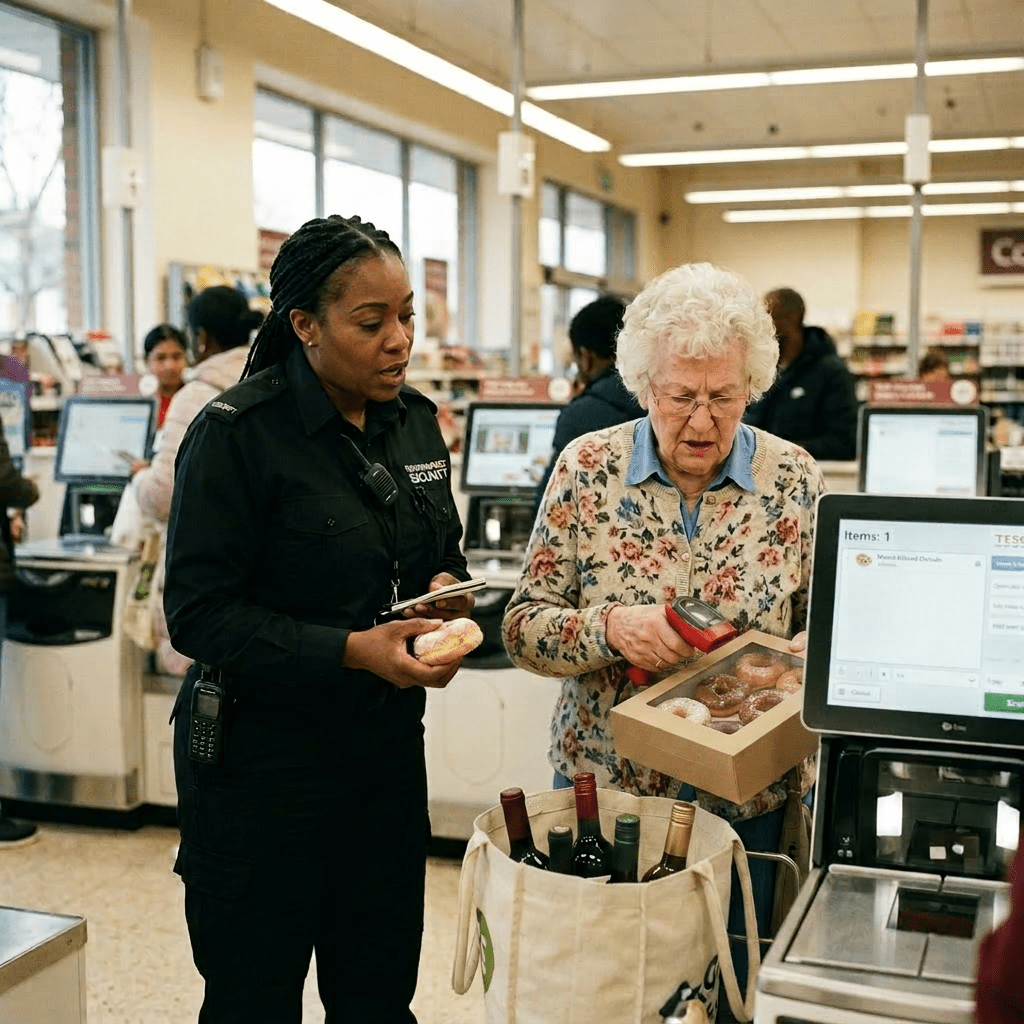
It’d be my luck that a store clerk would nab me as I walked away, or worse yet, the AI security camera in the self-checkout would spot things. This actually happened to me with grapes.
I’d placed a sack of them on the scale and in a hurry to get going, picked them up, and put them in the bag without hitting ‘accept weight.’ Everything locked up immediately ─ with a black & white grainy video showing my mistake. The clerk corrected things and said it happens all the time.
By then, those standing in line behind me were watching. To add more drama to the scene I placed both hands behind my back as if I was being handcuffed. Most folks chuckled except one.
The donuts I buy generally go to the chemotherapy lab in Kingman. If they’re short a couple of donuts from here on out it won’t matter as I always take them two dozen.
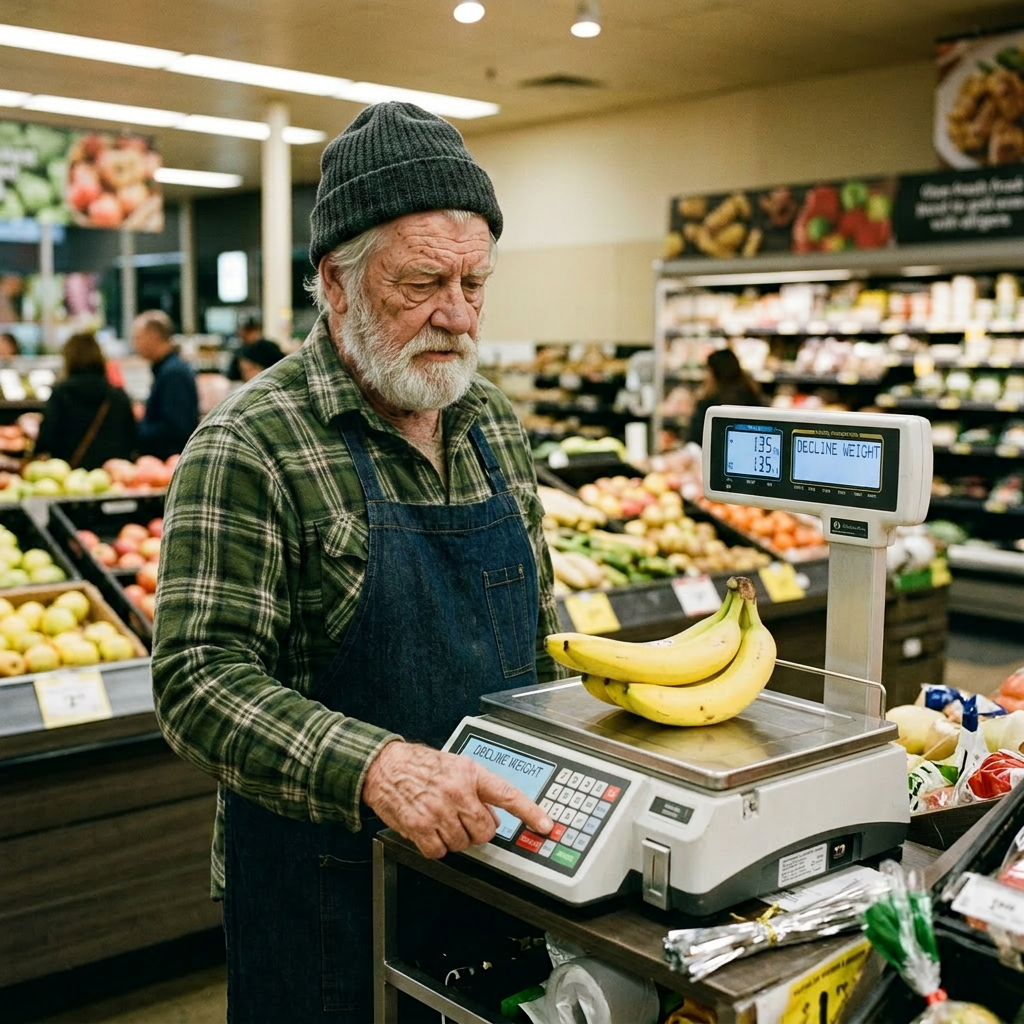
One thing I’ve been planning on doing but haven’t thus far, is the next time that automated AI produce scale asks if I accept the weight, I’ll decline, just to see what happens. I’m sure I’m not the only person wanting to do that. Will lights and buzzers go off? My wife says that she doesn’t want to be around to see.